
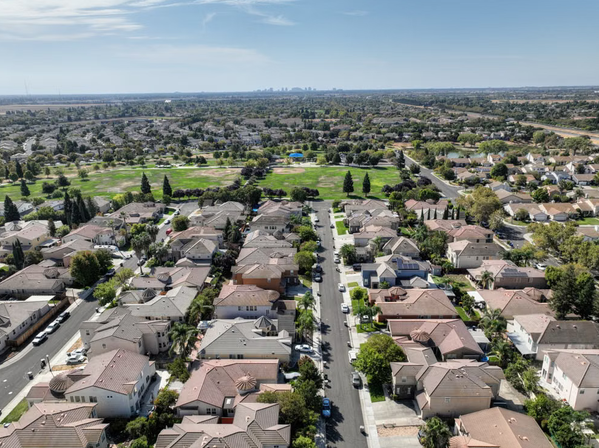
As cities continue to grow, finding better ways to provide housing while protecting the environment has become a major challenge. Urban areas need homes that are affordable, efficient, and capable of meeting the needs of future generations. Prefabricated homes are becoming an important part of this conversation because they offer a more streamlined approach to housing development. By combining modern construction methods with sustainable principles, prefabricated homes can help cities expand while using resources more responsibly.
Changing the Future of Urban Planning
The growing interest in prefabricated homes reflects a wider shift toward smarter and more sustainable housing solutions. According to discussions highlighted by NN.de, experts believe the renewed interest in prefabricated houses is connected to their ability to provide efficient and modern living spaces. As urban populations increase, cities are looking for housing models that can be developed faster while still meeting environmental and quality standards.
Reducing Construction Waste Through Smarter Building Methods
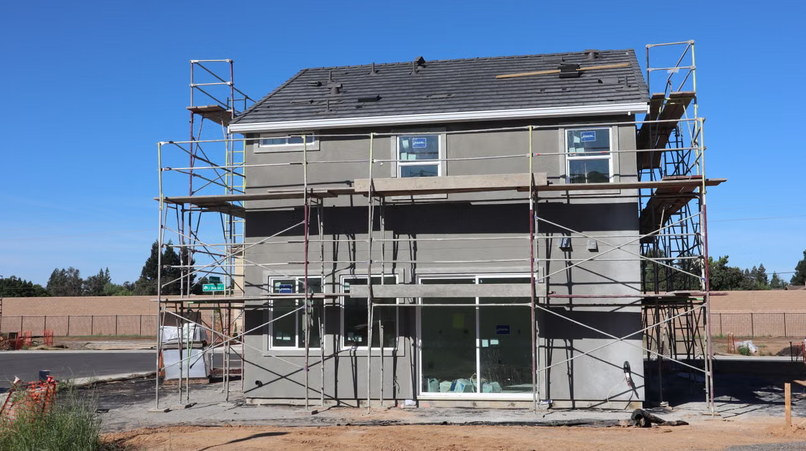
One of the biggest advantages of prefabricated homes is their ability to reduce material waste during construction. Because many components are produced in controlled factory environments, manufacturers can measure and cut materials more accurately than traditional building methods often allow. This approach helps limit unnecessary waste and makes better use of available resources. In a world where sustainable development is becoming increasingly important, reducing construction waste can help cities lower their environmental impact while creating more responsible housing solutions.
Supporting Affordable Housing in Growing Cities
Many urban areas are facing housing shortages as more people move toward cities for work, education, and better opportunities. Prefabricated homes can help address this challenge by allowing developers to create quality housing in shorter timeframes. Faster construction can make it easier for communities to increase housing availability without waiting years for large projects to be completed. This flexibility makes prefabricated housing an attractive option for cities looking to provide more affordable homes for growing populations.
Making Better Use of Limited Urban Space
Space is one of the biggest challenges in modern city development. Prefabricated homes can support smarter land use because they can be designed for different environments, including urban neighborhoods, smaller plots, and mixed-use developments. Modern designs allow architects and planners to create functional living spaces without requiring excessive land consumption. This makes prefabricated housing suitable for cities where available space is limited and efficient development is essential.
Improving Energy Efficiency in Urban Communities
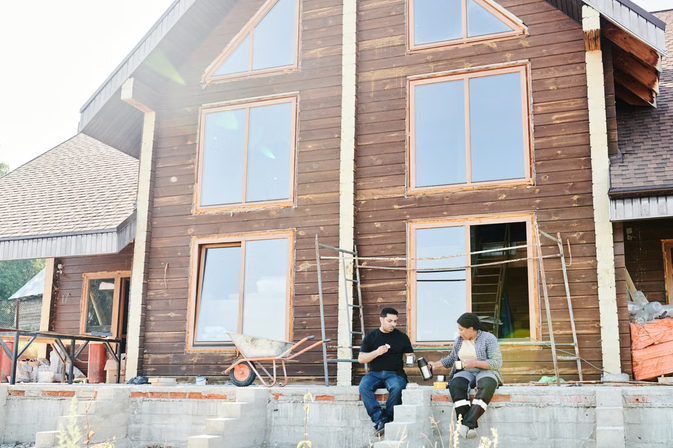
Sustainable urban development is not only about building more homes but also about creating homes that use fewer resources. Many prefabricated houses are designed with energy efficiency in mind, including improved insulation, efficient heating systems, and environmentally conscious materials. When energy-efficient homes become part of larger communities, they can help reduce overall energy consumption. This benefits both residents and cities by supporting lower emissions and creating more comfortable living environments.
Supporting Greener Neighborhood Development
Prefabricated homes can play an important role in creating sustainable neighborhoods rather than just individual houses. Developers can combine these homes with green spaces, efficient infrastructure, and environmentally friendly community designs. Thoughtful planning can create neighborhoods that encourage healthier lifestyles while reducing environmental pressure. Features such as better transportation connections, shared spaces, and energy-conscious designs can work alongside prefabricated housing to support long-term urban sustainability.
Helping Cities Adapt to Future Housing Needs
Cities are constantly changing, and housing solutions need to adapt with them. Prefabricated homes offer flexibility because they can be designed for different community needs and adjusted as housing demands evolve. As populations continue to grow, cities will need construction methods that are efficient, sustainable, and adaptable. Prefabricated housing provides another option for urban planners who want to create communities that can respond to future challenges.
Prefabricated homes are becoming an important part of sustainable urban development by offering efficient construction, reduced waste, and flexible housing solutions. As cities search for ways to grow responsibly, these homes can help create greener communities that balance affordability, environmental protection, and modern living needs.
…