Roof damage can cause expensive repairs if unnoticed for too long. While your roof might look intact from the ground, hidden trouble spots can quietly cause water leaks, structural issues, and energy inefficiencies. Regular inspections and simple preventative steps, like proper gutter cleaning, can save you from unnecessary costs down the road. Even the smallest flaws—like a cracked shingle or loose flashing—can snowball into major concerns if left unattended.
Caring for your roof doesn’t always mean climbing up with a toolbox. It begins with awareness of the signs that hint at trouble overhead. Let’s walk through five practical tips to help you catch these issues early, before they require serious intervention.
Watch for Discoloration and Stains on Ceilings or Walls
A water stain on your interior ceiling or wall may seem harmless at first, but it often indicates a leak from above. These brownish or yellowish spots could mean that moisture is making its way through your roof’s protective layers. If you notice peeling paint or soft drywall, it’s a sign to take a closer look—especially during rainy seasons. Moisture doesn’t follow a straight line. Water can travel along beams and joists before settling in visible places, making the actual entry point difficult to identify. That’s why consistent observation of interior spaces is just as important as checking the roof surface itself.
Check for Missing, Curled, or Damaged Shingles
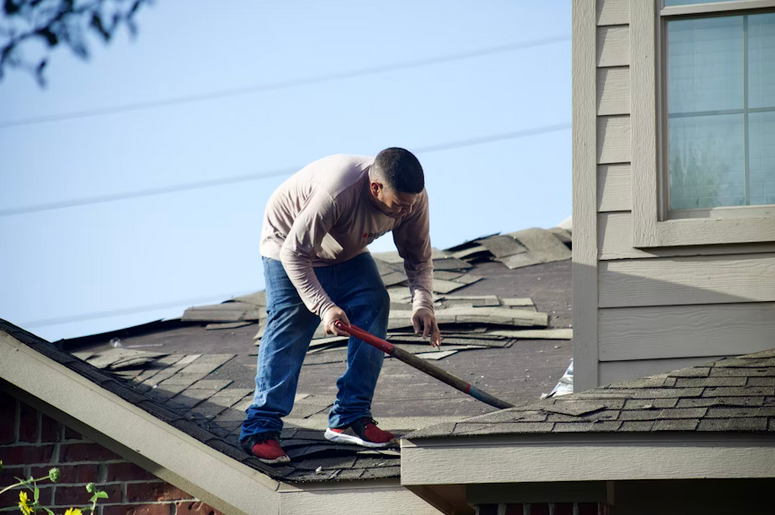
Over time, shingles can crack, buckle, or simply detach due to strong winds and sunlight exposure. When that happens, the roof becomes vulnerable to leaks and rot. You might notice uneven patches from the ground or even see shingle debris in your gutters or around the yard. Certain roof types, such as asphalt or composite shingles, tend to show wear after prolonged sun exposure. Be especially cautious after heavy storms—high winds may lift or remove shingles entirely, exposing the structure underneath.
Inspect Flashing and Roof Edges for Gaps
Flashing are thin pieces of metal that seal joints around chimneys, skylights, and vents. Over time, flashing can pull away or corrode, especially if it wasn’t installed properly to begin with. Gaps in flashing allow water to seep into those vulnerable connection points. The edges of the roof are equally susceptible. If you see light shining through from the attic or notice drafts around roofline features, it might indicate that seals are failing. Addressing these small openings early can prevent insulation problems and wood rot.
Don’t Ignore Sagging or Uneven Rooflines
Your roof should maintain a relatively straight, even appearance. Any visible sagging or drooping is a serious concern—it may signal compromised structural integrity, often due to long-term water damage, rot, or improper weight distribution. These types of issues typically worsen with time. If an area of your roof looks like it’s sinking or uneven, it’s best to act promptly. While cosmetic problems can often be fixed easily, structural ones are more expensive and disruptive if left too long.
Spot Blockage Along Gutters and Drainage Systems
Clogged gutters can seem a minor nuisance, but they can be a gateway to roof damage. Water that cannot flow properly through the drainage system often backs up under shingles or overflows into areas it shouldn’t, leading to leaks and mould growth. Clean gutters help preserve the integrity of your roof’s foundation and keep moisture away from sensitive edges. Seasonal gutter maintenance is crucial, particularly in regions with heavy leaf fall or frequent storms.
Maintaining a solid, healthy roof doesn’t require constant professional inspections—though they can be helpful. What it takes is a willingness to look for warning signs and respond quickly. A glance upward during your walk to the car, or a moment spent checking your attic after a rainstorm, can be all it takes to spot trouble early.…