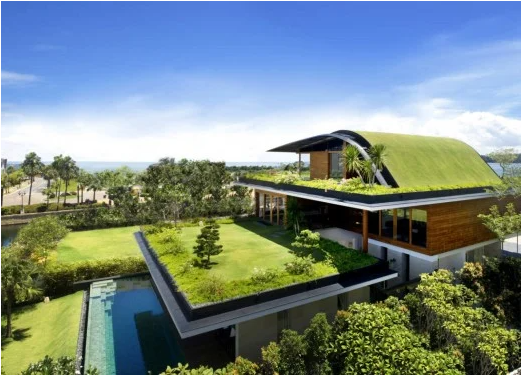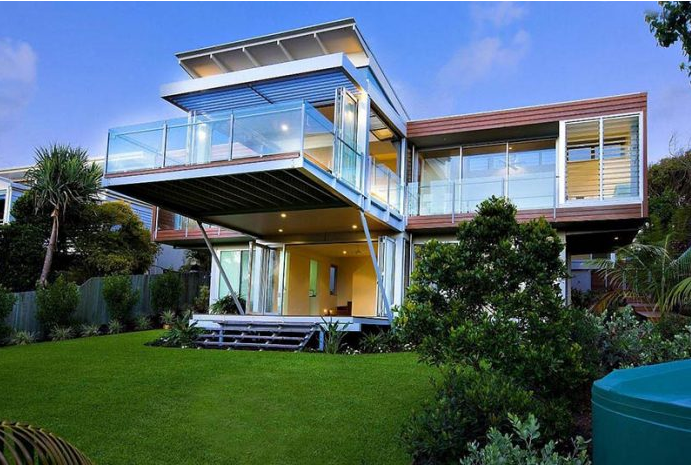
Building a home today isn’t just about bricks, mortar, and paint—it’s about responsibility to both comfort and the planet. Aachener Zeitung stresses the growing importance of eco-friendly architecture in shaping houses that use fewer resources and leave a lighter footprint. A net-zero home, when carefully planned, is one of the most effective ways to achieve that balance.
Start With Smart Site Orientation
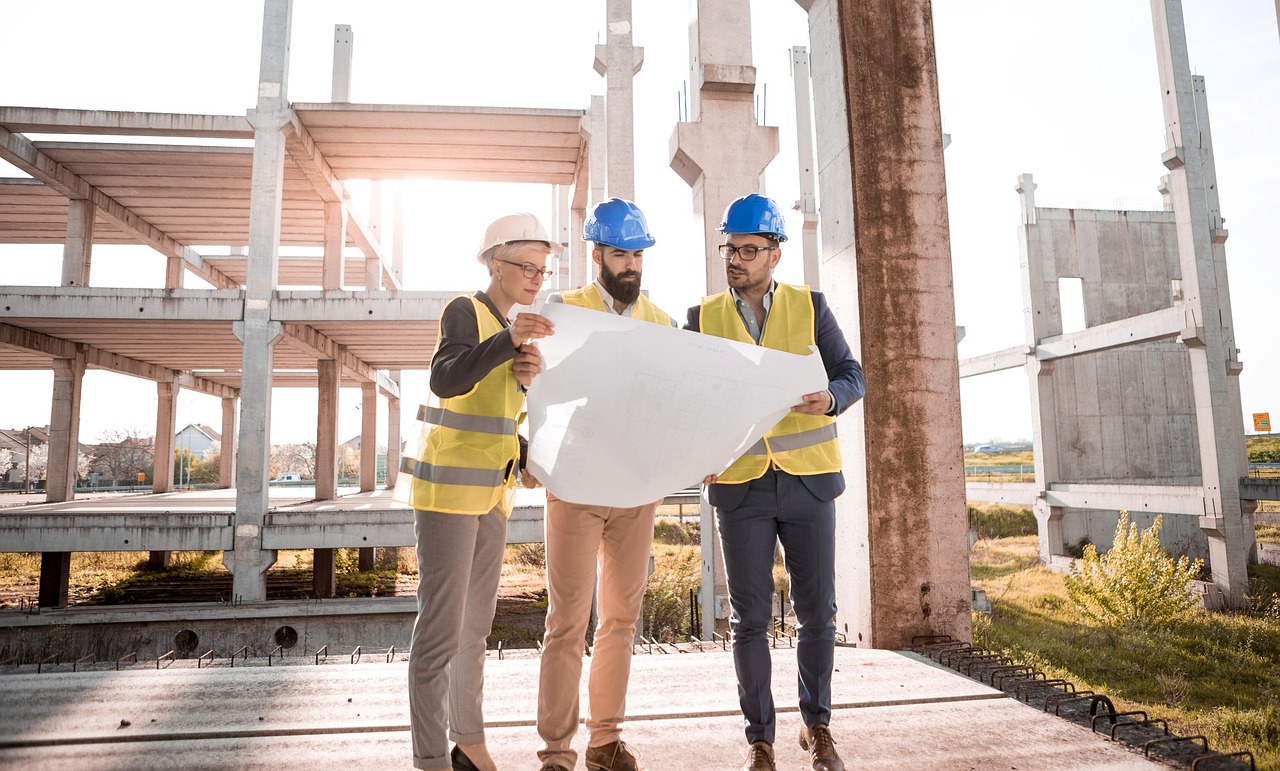 The position of your home on its plot influences energy use more than many people realize. A south-facing orientation can maximize natural light and reduce heating costs in colder months. Shading systems or trees can keep interiors cool during hot summers. Thoughtful placement works like a built-in energy saver. Designing with the landscape in mind helps the home harmonize with its environment. Hills, trees, and even nearby buildings can influence temperature and light. Planning ahead saves headaches later, while also trimming energy bills.
Prioritize High Performance Insulation
Energy efficiency begins with strong insulation. Walls, roofs, and floors should be designed to keep warm air in during winter and block heat during summer. Quality insulation reduces the need for constant heating or cooling, keeping costs under control. Insulation also creates a quieter home. Outside noises are muffled, creating a peaceful indoor environment. Comfort levels rise, while energy waste drops, creating a win-win for both residents and the planet.
Harness Solar Power
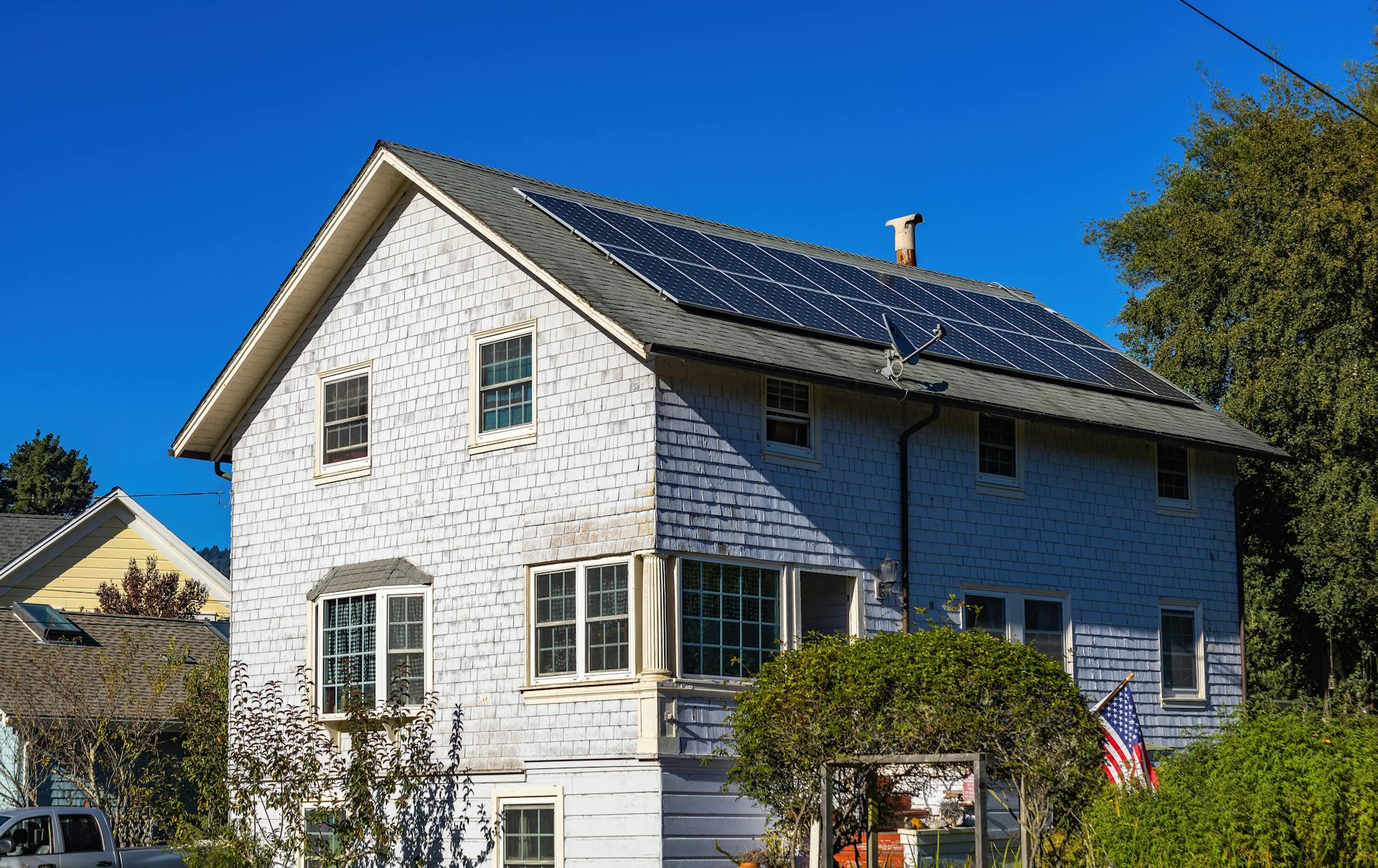
Solar panels are at the core of many net-zero homes. They provide clean energy directly from the sun, offsetting the power you pull from the grid. Over time, they often pay for themselves by cutting utility bills dramatically. Pairing panels with a battery system helps store extra energy for cloudy days. That means fewer interruptions and a more stable power supply. Homes that generate their own electricity also become more resilient to changes in energy costs.
Choose Sustainable Building Materials
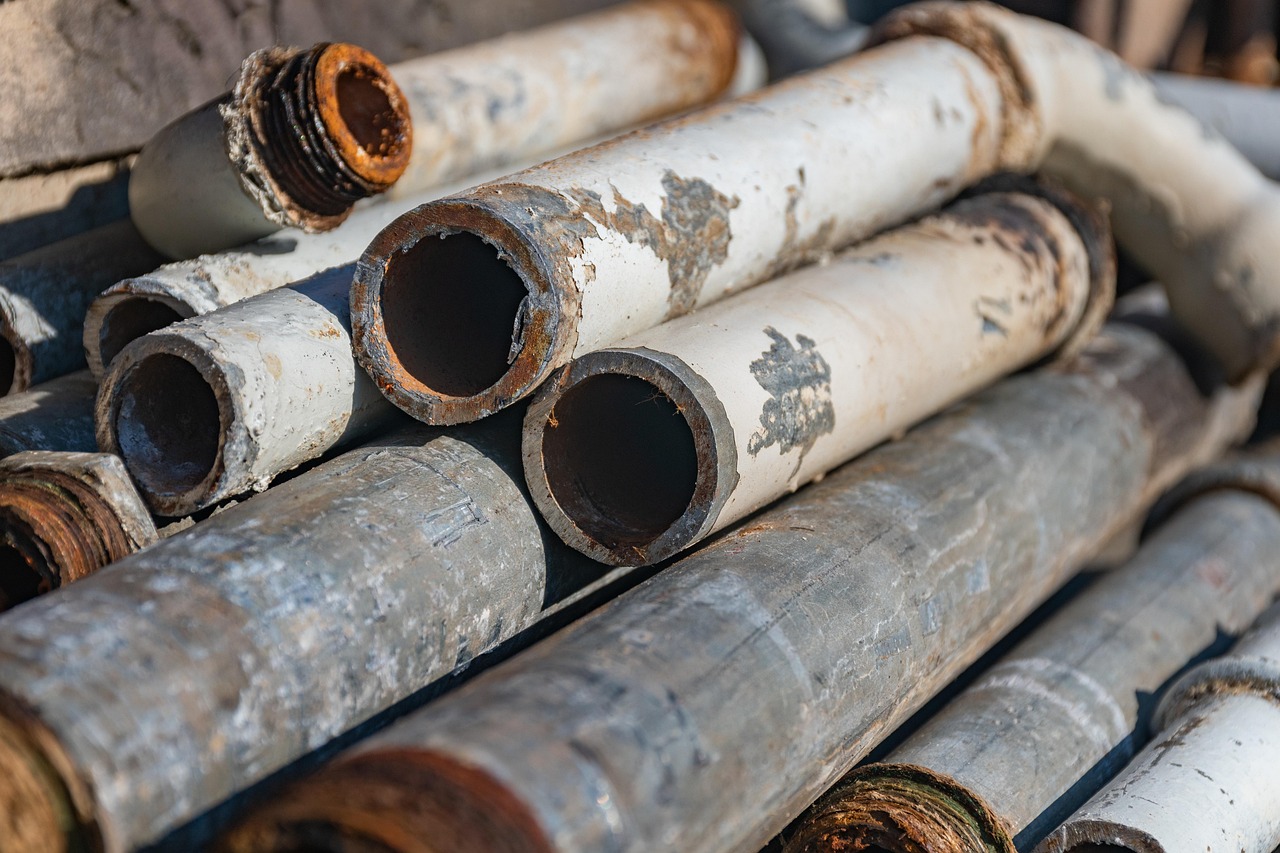
The materials used in construction matter just as much as design. Options like recycled steel, reclaimed wood, or low-carbon concrete reduce environmental impact. They offer durability without the heavy footprint of traditional products. Beyond structure, even finishes such as non-toxic paints contribute to a healthier indoor atmosphere. These choices protect both residents and the environment. It’s a simple way to make a house safer while lowering emissions.
Integrate Water Saving Solutions
Water efficiency plays a critical role in sustainable home design. Low-flow fixtures in bathrooms and kitchens significantly reduce water use. Rainwater harvesting systems add another layer of conservation, supplying water for gardens or flushing toilets. Greywater recycling systems can reuse wastewater from sinks or showers. This helps cut down on waste and keeps utility bills lower. Together, these measures make homes more self-sufficient and environmentally conscious.
Plan for Smart Ventilation
Fresh air circulation is essential in any eco-friendly home. Mechanical ventilation systems with heat recovery technology allow air to flow while maintaining indoor temperatures. This reduces energy loss without sacrificing comfort. Good ventilation also lowers indoor pollutants, keeping the air cleaner for residents. By managing airflow effectively, families can enjoy healthier living spaces while supporting the net-zero goal.
Creating a net-zero home requires thought, planning, and smart choices, but the payoff is worth it. Homeowners save money, live more comfortably, and contribute to a healthier planet. By combining energy efficiency, sustainable materials, and modern systems, eco-friendly homes show what the future of housing should look like.…