
Why Fence Gate Security Is Your Home’s First Line of Defense

When you think about home security, alarm systems and smart cameras might come to mind first. But before any of those tools come into play, the real frontline defender of your property is something much simpler: your fence gate. A strong, well-placed gate does more than just mark your property line—it sets the tone for your home’s safety. Here’s why your fence gate deserves a little more credit in the home security conversation.

Providing the First Barrier Against Unwanted Access

Before anyone reaches your front door, they encounter your fence gate. That physical separation between public and private space sends a clear message: this property is protected. Whether it’s a tall metal gate or a solid wooden one, the presence of a secure gate can act as a major deterrent for intruders. It adds a layer of effort and visibility to unauthorized entry, making your home a less appealing target.

Enhancing Safety Through Strategic Gate Design

The benefits of installing fence gates for safety go beyond simply having a gate in place. It’s about smart design choices—choosing the right height, lock system, and visibility features can significantly reduce security risks. For instance, a gate that allows you to see who’s on the other side (without letting them see into your property) gives you the upper hand. When done right, installing a gate becomes more than an aesthetic choice—it’s a deliberate step toward safeguarding your home and everyone in it.

Controlling Who Comes in—and Who Doesn’t

access

A secure gate gives you control, plain and simple. Whether it’s through a traditional lock, a keypad, or a smart access system, fence gates allow you to decide who enters your property and when. This control is especially useful for homes with children or pets, where you need to keep the area secure while allowing select access to family, friends, or service providers. It’s not just about keeping people out—it’s about managing the flow of people in a way that keeps your household safe.

Maintaining Privacy

Privacy is closely tied to security, and a good fence gate provides both. A solid gate shields your home from the eyes of strangers, helping to prevent unwanted attention. It also creates a psychological boundary—people are far less likely to approach or loiter near a property they can’t easily see into. This sense of privacy contributes to a greater feeling of safety for everyone inside the home.

Boosting Property Value and Curb Appeal

Security and aesthetics don’t have to be at odds. A well-designed gate can enhance the look of your home while also making it safer. Potential buyers often view a secure perimeter as a major plus, which can increase your home’s value on the market. It signals to others that the property has been cared for with intention, including its security features. So whether you’re staying put or thinking about selling down the line, your fence gate is pulling double duty.

When it comes to home security, it’s easy to get caught up in technology and forget about the physical elements that matter just as much. Your fence gate isn’t just a boundary—it’s your first defense, your privacy shield, and your access control system all in one. Investing in a secure, well-designed gate is one of the simplest and smartest steps you can take to protect what matters most.…

How to Plan a Net Zero Home With Eco-Friendly Architecture

house

Building a home today isn’t just about bricks, mortar, and paint—it’s about responsibility to both comfort and the planet. Aachener Zeitung stresses the growing importance of eco-friendly architecture in shaping houses that use fewer resources and leave a lighter footprint. A net-zero home, when carefully planned, is one of the most effective ways to achieve that balance.

Start With Smart Site Orientation

people The position of your home on its plot influences energy use more than many people realize. A south-facing orientation can maximize natural light and reduce heating costs in colder months. Shading systems or trees can keep interiors cool during hot summers. Thoughtful placement works like a built-in energy saver. Designing with the landscape in mind helps the home harmonize with its environment. Hills, trees, and even nearby buildings can influence temperature and light. Planning ahead saves headaches later, while also trimming energy bills.

Prioritize High Performance Insulation

Energy efficiency begins with strong insulation. Walls, roofs, and floors should be designed to keep warm air in during winter and block heat during summer. Quality insulation reduces the need for constant heating or cooling, keeping costs under control. Insulation also creates a quieter home. Outside noises are muffled, creating a peaceful indoor environment. Comfort levels rise, while energy waste drops, creating a win-win for both residents and the planet.

Harness Solar Power

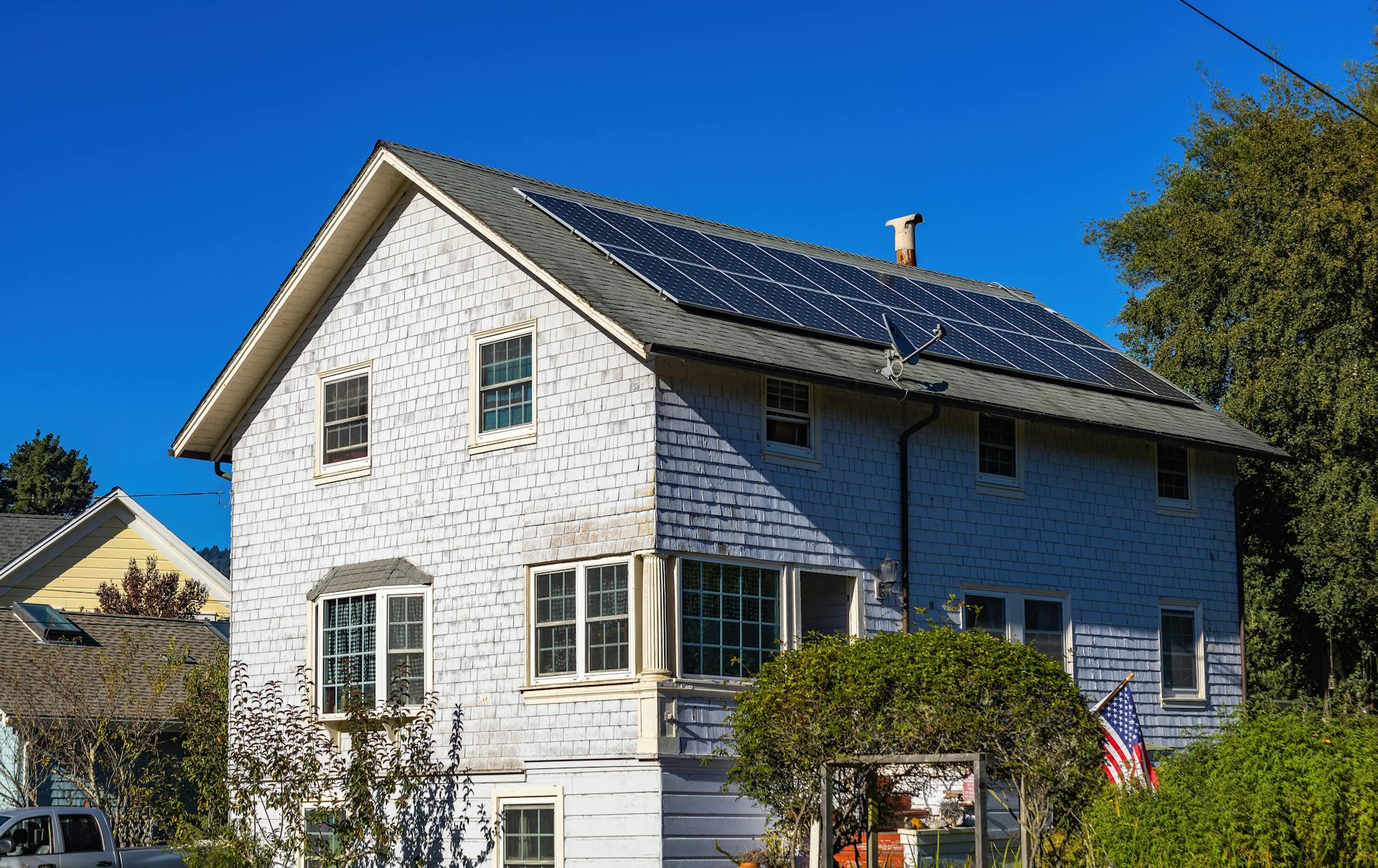
Solar panels are at the core of many net-zero homes. They provide clean energy directly from the sun, offsetting the power you pull from the grid. Over time, they often pay for themselves by cutting utility bills dramatically. Pairing panels with a battery system helps store extra energy for cloudy days. That means fewer interruptions and a more stable power supply. Homes that generate their own electricity also become more resilient to changes in energy costs.

Choose Sustainable Building Materials

tubes

The materials used in construction matter just as much as design. Options like recycled steel, reclaimed wood, or low-carbon concrete reduce environmental impact. They offer durability without the heavy footprint of traditional products. Beyond structure, even finishes such as non-toxic paints contribute to a healthier indoor atmosphere. These choices protect both residents and the environment. It’s a simple way to make a house safer while lowering emissions.

Integrate Water Saving Solutions

Water efficiency plays a critical role in sustainable home design. Low-flow fixtures in bathrooms and kitchens significantly reduce water use. Rainwater harvesting systems add another layer of conservation, supplying water for gardens or flushing toilets. Greywater recycling systems can reuse wastewater from sinks or showers. This helps cut down on waste and keeps utility bills lower. Together, these measures make homes more self-sufficient and environmentally conscious.

Plan for Smart Ventilation

Fresh air circulation is essential in any eco-friendly home. Mechanical ventilation systems with heat recovery technology allow air to flow while maintaining indoor temperatures. This reduces energy loss without sacrificing comfort. Good ventilation also lowers indoor pollutants, keeping the air cleaner for residents. By managing airflow effectively, families can enjoy healthier living spaces while supporting the net-zero goal.

Creating a net-zero home requires thought, planning, and smart choices, but the payoff is worth it. Homeowners save money, live more comfortably, and contribute to a healthier planet. By combining energy efficiency, sustainable materials, and modern systems, eco-friendly homes show what the future of housing should look like.…

Big Ideas for Small Outdoor Spaces: Make Every Inch Count

grass

Small outdoor spaces can offer big potential when approached with creativity and smart design choices. Whether you have a narrow side yard, a compact patio, or a tiny balcony, it’s all about maximizing function without overwhelming the area. Vertical gardens, foldable furniture, and multi-use features are just a few ways to enhance the space you have. Exploring affordable tips to make the most of tiny outdoor spaces can spark ideas that fit your style and budget, turning even the smallest patch into a cozy, inviting retreat that feels anything but limited. Below are various tips to consider when dealing with small outdoor spaces.

Maximize Vertical Space

When ground space is limited, think upward. Vertical gardening is one of the most effective ways to add greenery without taking up valuable floor space. Use wall-mounted planters, hanging baskets, or tiered plant stands to grow herbs, flowers, or even vegetables. Trellises and vertical garden panels can double as privacy screens while adding a lush, layered look. Climbing plants like jasmine or ivy can soften hard surfaces and create a more natural ambiance without crowding the area.

Choose Compact, Dual-Purpose Furniture

furniture

In a small outdoor space, every item should serve more than one function. Look for furniture that folds away when not in use or offers built-in storage, like a bench that opens to hold cushions or tools. Bistro sets are ideal for tiny patios, while nesting tables can be stacked when you need to free up room. Choosing slim, lightweight furniture with clean lines helps avoid a bulky look and keeps the space feeling open.

Define Zones, Even in Tight Spaces

Even in a limited area, defining different “zones” for relaxing, dining, or gardening creates visual structure and enhances usability. Use outdoor rugs to anchor a sitting area, or place planters around a small table to distinguish it as a dining nook. Thoughtful placement helps prevent the space from feeling cluttered and encourages you to use it more often for multiple activities.

Incorporate Reflective Surfaces and Light

Mirrors, glossy finishes, and light-colored materials can all make a small outdoor space feel larger. A mirror hung on a fence or wall creates an illusion of depth, while metallic planters or glass-topped tables reflect natural light to brighten the area. String lights, lanterns, or solar stakes add warmth and extend the usability of the space into the evening hours without overwhelming the design.

Stick to a Cohesive Style

patio

To keep your space from feeling chaotic, choose a consistent color palette and design theme. Whether it’s modern minimalism, boho chic, or rustic charm, sticking to one style helps the space feel intentional and polished. Use repeating elements like matching cushions or uniform plant containers to tie everything together. This visual harmony makes the area feel more spacious and inviting.

Small outdoor spaces may come with limitations, but they’re also opportunities for smart, stylish design. By using vertical space, choosing functional furniture, and maintaining a cohesive look, you can turn even the tiniest patio or balcony into a relaxing escape. With a little imagination and planning, every inch of your outdoor area can become part of a beautiful, functional extension of your home.…

Moving With Pets: Things I Wish I Knew Before Moving With My Dogs

moving with dog

I used to think moving was tough. That was before I moved with two overly curious, mildly dramatic dogs. Let me tell you, it’s a different game. Moving with pets is just pure chaos. I tried to wing it, and it showed. I should’ve planned better. I should’ve booked a man and van in Walthamstow. Here’s what I learned the hard way, so you don’t have to.

Go Easy on Your Dog

You’ve packed up their favorite blankets. Their food bowls are in a box. The sofa they nap on is wrapped in plastic. Your dogs aren’t moving with you; they’re just watching their entire world vanish into cardboard. It didn’t help that I kept disappearing out the front door with boxes. Next time, I’ll create a quiet space with their toys, water, and a closed door. They need a little corner of calm in the middle of the madness.

Skip the DIY Move

packing

Moving solo sounds brave. With dogs? It’s unwise. You’re juggling boxes and barking. You forget essentials like leads or their food. It’s like trying to juggle jelly. A man and van service takes the pressure off. While they handle the heavy lifting, you keep the dogs out of the firing line. No unexpected runs into traffic. No chewed-up packing tape.

Avoid Moving Day Mayhem

On moving day, I learned that open doors and curious dogs don’t mix. Mine tried to bolt twice. I ended up chasing them in socks, which I strongly advise against. This time around, I’d ask a friend to watch them. Even better, I’d board them for a night or two. Keep the stress away, for them and for me. It’s easier to focus on the move when you’re not worried someone’s about to escape mid-lift.

Ensure Familiar Smells Along the Way

dog

Don’t wash everything before the move. Keep one blanket unwashed, one toy dirty. They sound gross, but they smell like home. And that matters when everything else feels strange. In the new place, set up their corner before anything else. Water bowl. Blanket. Favorite toy. A bit of familiarity goes a long way.

Hire a Professional Man and Van Service

If you’re relocating anywhere in or around Wimbledon, don’t gamble on random van rentals or flaky friends. The team at Man and Van Wimbledon offers a reliable, no-nonsense service that’s made for real-life moves, dogs, delays, and all. They’re flexible with timing, quick to respond, and know how to handle both precious cargo and unpredictable pets. Having someone you can actually count on during a chaotic day isn’t a luxury; it’s the smartest decision you’ll make. Keep your focus on the dogs; let them handle the heavy lifting. So, remember, if you’re moving with dogs, remember this: they’re not cargo.

They’re your furry passengers. Your job is to keep them safe, calm, and out of the way. The move is temporary. The trauma from a chaotic move isn’t. Plan ahead. Get help. And don’t expect your dog to understand why their bed just got rolled in bubble wrap.…

How to Spot Trouble Zones on Your Roof Before They Become Costly Repairs

roofers

Roof damage can cause expensive repairs if unnoticed for too long. While your roof might look intact from the ground, hidden trouble spots can quietly cause water leaks, structural issues, and energy inefficiencies. Regular inspections and simple preventative steps, like proper gutter cleaning, can save you from unnecessary costs down the road. Even the smallest flaws—like a cracked shingle or loose flashing—can snowball into major concerns if left unattended.

Caring for your roof doesn’t always mean climbing up with a toolbox. It begins with awareness of the signs that hint at trouble overhead. Let’s walk through five practical tips to help you catch these issues early, before they require serious intervention.

Watch for Discoloration and Stains on Ceilings or Walls

A water stain on your interior ceiling or wall may seem harmless at first, but it often indicates a leak from above. These brownish or yellowish spots could mean that moisture is making its way through your roof’s protective layers. If you notice peeling paint or soft drywall, it’s a sign to take a closer look—especially during rainy seasons. Moisture doesn’t follow a straight line. Water can travel along beams and joists before settling in visible places, making the actual entry point difficult to identify. That’s why consistent observation of interior spaces is just as important as checking the roof surface itself.

Check for Missing, Curled, or Damaged Shingles

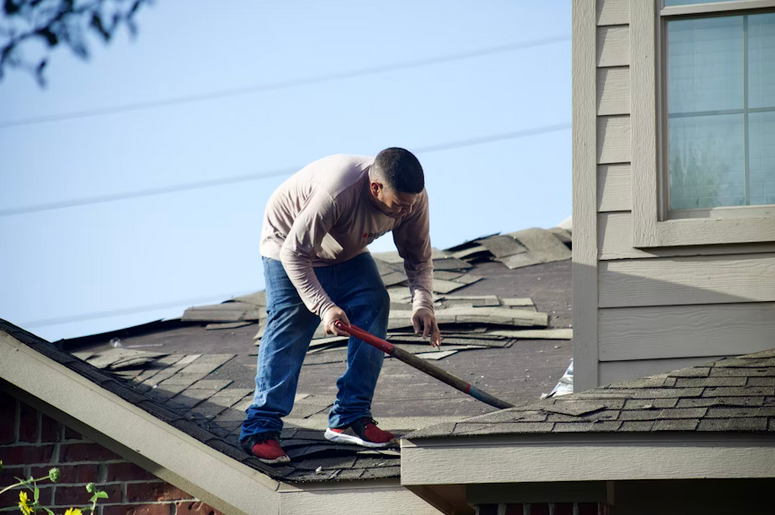
Over time, shingles can crack, buckle, or simply detach due to strong winds and sunlight exposure. When that happens, the roof becomes vulnerable to leaks and rot. You might notice uneven patches from the ground or even see shingle debris in your gutters or around the yard. Certain roof types, such as asphalt or composite shingles, tend to show wear after prolonged sun exposure. Be especially cautious after heavy storms—high winds may lift or remove shingles entirely, exposing the structure underneath.

Inspect Flashing and Roof Edges for Gaps

roof

Flashing are thin pieces of metal that seal joints around chimneys, skylights, and vents. Over time, flashing can pull away or corrode, especially if it wasn’t installed properly to begin with. Gaps in flashing allow water to seep into those vulnerable connection points. The edges of the roof are equally susceptible. If you see light shining through from the attic or notice drafts around roofline features, it might indicate that seals are failing. Addressing these small openings early can prevent insulation problems and wood rot.

Don’t Ignore Sagging or Uneven Rooflines

Your roof should maintain a relatively straight, even appearance. Any visible sagging or drooping is a serious concern—it may signal compromised structural integrity, often due to long-term water damage, rot, or improper weight distribution. These types of issues typically worsen with time. If an area of your roof looks like it’s sinking or uneven, it’s best to act promptly. While cosmetic problems can often be fixed easily, structural ones are more expensive and disruptive if left too long.

Spot Blockage Along Gutters and Drainage Systems

Clogged gutters can seem a minor nuisance, but they can be a gateway to roof damage. Water that cannot flow properly through the drainage system often backs up under shingles or overflows into areas it shouldn’t, leading to leaks and mould growth. Clean gutters help preserve the integrity of your roof’s foundation and keep moisture away from sensitive edges. Seasonal gutter maintenance is crucial, particularly in regions with heavy leaf fall or frequent storms.

Maintaining a solid, healthy roof doesn’t require constant professional inspections—though they can be helpful. What it takes is a willingness to look for warning signs and respond quickly. A glance upward during your walk to the car, or a moment spent checking your attic after a rainstorm, can be all it takes to spot trouble early.…

The Best Color Palettes for Bohemian Interiors

Thinking about giving a fresh style to your home? Are you wondering which interior design vibe suits you best, bohemian or eclectic style? Well, you might want to choose Bohemian. Bohemian interiors are all about embracing individuality and creating a space that reflects your personality.

They celebrate the beauty of nature, culture, and art in a harmonious blend. One of the key elements in achieving that perfect boho vibe is choosing the right color palette. From earthy tones inspired by nature to vibrant jewel colors that spark joy, each palette brings its own unique charm.

Earth Tones (Terracotta, Sage, Mustard)

Earth tones are the heart of bohemian design, grounding your space in warmth and comfort. Terracotta brings a rustic charm that evokes sun-baked landscapes. Its rich hue pairs beautifully with other colors, creating inviting focal points. Sage green adds a breath of fresh air to your interiors. This soft yet vibrant shade echoes nature’s tranquility, making it perfect for walls or accent pieces. It works well with terracotta, enhancing its earthy feel while adding depth. Mustard yellow injects a cheerful burst into the mix. This warm tone radiates positivity and energy without overwhelming the senses. Adding pops of mustard through throw pillows or artwork can instantly uplift any room.

Jewel Tones (Emerald, Sapphire, Ruby)

Jewel tones are a celebration of richness and depth. Think of emerald greens, sapphire blues, and ruby reds filling your space with vibrancy. Each color brings its own unique charm. Emerald evokes feelings of tranquility and nature. It pairs beautifully with earthy textures like wood or woven fabrics. Adding plants enhances this serene vibe even further. Sapphire is bold yet calming, reminiscent of deep ocean waters. It works well as an accent wall or in statement furniture pieces. Combined with lighter shades, it can create a stunning contrast that draws the eye. Ruby adds warmth to any room while exuding luxury.

Desert Neutrals (Sand, Clay, Whitewash)

Desert neutrals evoke the serene beauty of arid landscapes. Imagine the soft hues found in sandy dunes and sun-bleached rocks. These colors bring a sense of calm to any space. Sand tones create a warm base, perfect for grounding your room. They act as a canvas that allows other elements to shine without overwhelming the senses. Clay adds depth with its earthy richness. It’s versatile enough to complement both rustic and modern décor styles, enhancing warmth while maintaining sophistication. Whitewash brings an airy feel, brightening spaces while adding texture. This subtle finish reflects light beautifully, making small areas feel larger and more inviting.

Unexpected Pops (Fuchsia, Turquoise, Gold)

In the world of bohemian design, unexpected pops of color can transform a room into a vibrant oasis. Fuchsia brings an exhilarating energy to any space. This bold hue adds warmth and personality, creating focal points that draw admiration. Turquoise offers a refreshing contrast. It evokes images of clear skies and tranquil waters. When combined with earthy tones, turquoise elevate the ambiance while maintaining that laid-back vibe crucial to bohemian style. Gold accents complete the look beautifully. Adding a touch of luxury without overpowering other elements, gold works wonders in embellishing textiles or lighting fixtures.

How to Blend Multiple Palettes

Blending multiple color palettes can elevate your bohemian interior to new heights. The key is to find harmony between the shades you choose. Start by selecting a dominant palette, one that resonates with your personal style and creates a strong foundation for the space. From there, introduce accents from other palettes. For example, if earth tones are your base, consider incorporating jewel tones through accessories like throw pillows or artwork. This will create depth without overwhelming the room. Use neutrals as a bridge between different colors. Desert neutrals work beautifully here; they soften bold hues while allowing them to shine.…

Revamp Your Fencing: Easy Steps to a Stunning DIY Fence Makeover

fence

Are you tired of looking at that drab, worn-out fence in your backyard? Does it feel more like an eyesore than a stylish boundary? It’s time for a transformation. In this blog post, we’re diving into the world of DIY creativity to help you revamp your fencing with easy steps that will leave your neighbors green with envy. Whether you want to enhance privacy, add character, or create a welcoming outdoor space, our simple makeover tips will empower you to turn your ordinary fence into a stunning focal point.

 A Fresh Coat of Paint or Stain

 A Fresh Coat of Paint or StainOne of the simplest and most effective ways to transform your fence is by applying a fresh coat of paint or stain. This not only improves the appearance but also protects the wood from weathering. Choose a color that complements your home’s exterior and landscape. For a modern look, consider neutral tones like gray or white. If you prefer a natural look, a wood stain can enhance the grain and provide a rustic charm. Ensure you clean and prep the surface properly before painting or staining for the best results.


Add Decorative Panels or Inserts

Incorporating decorative panels or inserts can add visual interest and personality to your fence. These can be purchased or DIYed using materials like lattice, metal sheets, or even reclaimed wood. Decorative panels can be used to create patterns, add texture, or even serve as a backdrop for climbing plants. This is an excellent way to customize your fence and make it a standout feature in your yard. Albany Georgia fence company and other similar companies have a variety of designs for decorative panels that you can choose from.

Install Outdoor Lighting

Outdoor lighting can dramatically change the ambiance of your yard and highlight your fence’s new look. Solar-powered lights are an eco-friendly and cost-effective option. You can install post cap lights on fence posts, string lights along the top, or even use ground lights to illuminate the base. Lighting not only enhances the aesthetic appeal but also improves safety and security around your property.

Install Outdoor Lighting

Incorporate Planters and Greenery

Adding planters and greenery to your fence can create a lush, inviting atmosphere. Hanging planters, wall-mounted pots, or even a vertical garden can transform a plain fence into a vibrant living wall. Choose plants that thrive in your climate and consider a mix of flowers, herbs, and foliage for variety. This approach not only beautifies your fence but also maximizes your garden space.

Use Decorative Accents and Hardware

Small decorative accents and hardware can make a big difference in your fence’s overall look. Consider adding decorative post caps, finials, or even unique handles and hinges. These elements can add a touch of elegance or whimsy, depending on your style. Additionally, replacing old, worn-out hardware with new, stylish options can give your fence a polished and cohesive appearance. A DIY fence makeover is an excellent way to enhance your yard’s aesthetic and functionality without a significant financial investment. By applying a fresh coat of paint or stain, adding decorative panels, installing outdoor lighting, incorporating planters and greenery, and using decorative accents, you can transform your fence into a stunning feature of your outdoor space.…

The Truth Behind Construction Financing Myths: A Clear Path to Funding Your New Home

funding

Building your dream home is an exciting journey, but navigating the world of construction financing can feel like venturing into uncharted territory. With many myths and misconceptions swirling around, it’s no wonder many aspiring homeowners find themselves overwhelmed and confused.

Are you worried that securing funding will be impossible? Or perhaps you’ve heard horror stories about sky-high interest rates or endless paperwork? Fear not. In this blog post, we’ll peel back the layers of common construction financing myths and reveal the truth behind them. Prepare to clear a path to fund your new home confidently as we guide you through essential tips, expert insights, and actionable advice. Let’s turn those dreams into reality—one brick at a time.

Myth: You Need a 20% Down Payment

One of the most common myths about construction loans is that you need a hefty 20% down payment to start. While that may be true for some traditional mortgages, construction loans often have more flexible requirements. In reality, the down payment for a construction loan can vary widely based on your lender, credit score, and project specifics.

Many lenders offer programs allowing down payments as low as 5% to 10%. Plus, if you own the land you plan to build on, the equity in your land may be used as part of your down payment. So, don’t let this myth discourage you from exploring your options. Click https://www.esslinger-zeitung.de/inhalt.immobilienfinanzierung-aktueller-zinssatz-was-sollte-man-beim-hausbau-beachten.efb8c21e-ae94-4b8b-a92e-31113cac8e3e.html for information on the current interest rates and other important factors to consider.

Myth: Construction Loans Are Too Risky

Another myth is that construction loans are inherently riskier than traditional home loans. While it’s true that there’s a bit more complexity in building a house versus buying one, lenders are well-prepared for these projects. The key is working with an experienced lender who specializes in construction financing. They’ll ensure that the process is smooth and manageable, with proper oversight at every stage of construction. In fact, construction loans are structured with milestones in mind—meaning that funds are released incrementally as the construction progresses. This reduces the risk for both you and the lender, ensuring that money is only spent on completed work.

Myth: Interest Rates Are Always Higher for Construction Loans

Many people believe that construction loans come with sky-high interest rates. While construction loans may have slightly higher rates than traditional mortgages due to the added complexity, they aren’t as high as some might think. Rates depend on factors like your credit score, loan-to-value ratio, and overall financial situation. Also, construction loans are typically short-term, meaning you only pay higher rates during the build. Once the home is completed, the loan can often be converted to a traditional mortgage with lower interest rates. Some lenders even offer one-time close loans, which lock in your rate for both the construction phase and the permanent mortgage.

construction

Myth: Construction Loans Are Full of Hidden Fees

There’s a common misconception that construction loans come with many hidden fees that will drive up costs. While it’s true that there are additional costs involved in building a home (like inspections, permits, and contractor fees), these expenses are usually transparent. A reputable lender will walk you through the complete breakdown of costs upfront so you won’t be blindsided. Always ask your lender for a complete fee list and ensure you’re aware of the overall loan structure. You’ll find that while there are some extra steps compared to a traditional home loan, there’s nothing hidden if you do your due diligence.

Myth: You Have to Use Your Lender’s Preferred Builder

Some people assume that when you get a construction loan, you’re locked into using a builder that the lender chooses. Not true! While some lenders may have a list of preferred builders they work with, you usually have the freedom to choose your own contractor as long as they meet the lender’s criteria. It’s always a good idea to vet your builder carefully to ensure they’re reputable, experienced, and have a good track record with lenders. That way, your project stays on track, and you can avoid any financing delays.

Myth: It’s Too Complicated for First-Time Home Builders

Sure, construction loans can seem complicated at first glance, but they’re not out of reach for first-time builders. Lenders are well-versed in helping newbies navigate the process, providing guidance on everything from budgeting to finding the right contractor. Many lenders also offer construction-to-permanent loans, which streamline the financing process by combining the construction loan and mortgage into one package. This can make things much easier, especially for those building their first home.

Don’t let myths about construction financing stop you from building your dream home. With flexible down payment options, manageable risk, and reasonable interest rates, construction loans are far more accessible than many people think. Working with an experienced lender and doing your homework can make the financing process smooth and stress-free. Building your own home is a big step, but it doesn’t have to be complicated.…

Why Do Homes Have a High Level of Radon Concentration?

house

High radon levels in homes can be attributed to several factors related to the natural environment, the construction of the house, and the habits of the occupants. This is why it’s important to know the radonmåling i enebolig before running new home projects. While radon is present in outdoor air at low levels, it can accumulate indoors at dangerous concentrations, posing significant health risks to residents. Understanding why radon levels can be high in certain homes is crucial for mitigating its potential dangers.

Geological Factors

location

One of the primary reasons for high radon concentrations in homes is the geological composition of the surrounding area. Regions with high levels of uranium in the soil are more likely to have elevated radon levels. As uranium decays, radon gas is released and moves through the soil and into homes. Areas with certain types of rocks, such as granite, shale, and phosphate, are particularly prone to high radon emissions. The permeability of the soil also plays a role; more porous soils allow radon to move more freely, increasing the likelihood of it entering homes.

Occupant Habits and Ventilation

The lifestyle and habits of a home’s occupants can also contribute to elevated radon levels. Poor ventilation is a significant factor, as it allows radon to accumulate without sufficient airflow to disperse it. In homes where windows and doors are rarely opened, especially in colder climates where homes are sealed to conserve heat, radon can build up to higher levels. Similarly, utilizing exhaust fans, such as those in kitchens and bathrooms, can create a vacuum effect that draws more radon into the home.

Home Construction and Design

construction

The way a home is built can significantly impact its radon levels. Homes with poor insulation or numerous cracks in the foundation, walls, or floors are more susceptible to radon infiltration. Additionally, homes with basements or crawl spaces are at a higher risk because these areas are closer to the ground, where radon is most concentrated. The type of foundation, such as slab-on-grade or basement, also influences radon levels. Homes with higher airtightness, while energy-efficient, may inadvertently trap radon inside, leading to higher indoor concentrations.

High radon levels in homes result from the different factors discussed. Each of these factors can contribute to radon entering and accumulating within a home, making it essential for homeowners to be aware of the risks and to take appropriate measures to test and mitigate radon levels. By understanding the underlying causes, homeowners can better protect themselves and their families from the health risks associated with radon exposure.…

Tips for Becoming a Successful Landlord

landlord

Building success as a landlord requires more than just owning rental properties. It involves managing effectively, understanding legal responsibilities and maintaining good relationships with tenants, all covered and elaborated on Deutsches Mietrecht. Navigating the complexities of property management can be challenging, especially for those new to the field. However, with the right strategies and practices, you can maximize your rental income, ensure tenant satisfaction, and maintain the value of your properties. Whether you’re a savvy property owner or just starting, these six essential tips will guide you toward becoming a successful landlord, helping you avoid common pitfalls and build a thriving rental business.

Screen Tenants Thoroughly

screening

One of the most crucial steps in managing rental properties is screening potential tenants carefully. A rigorous screening procedure ensures that you pick dependable renters who will pay rent on time, maintain the property, and follow lease conditions. Conduct background checks, verify job and income, check credit history, and ask prior landlords for references. A thorough screening procedure lowers the danger of renting to troublesome tenants, reducing possible difficulties and assuring consistent rental revenue.

Draft Clear and Comprehensive Lease Agreements

A well-drafted lease agreement is essential for setting clear expectations and protecting both the landlord and the tenant. Your lease agreement should outline all terms and conditions, including rent amount, due date, security deposit, maintenance responsibilities, and policies on late payments, pets, and subletting. It’s important to ensure that the lease complies with local laws and regulations.

Maintain the Property Regularly

Frequent maintenance is essential for maintaining the value of your home and guaranteeing tenant happiness. Conduct routine inspections to detect and fix maintenance concerns quickly. This involves inspecting for plumbing leaks, electrical issues, and structural damage, as well as verifying that appliances and heating/cooling systems are in working order. A well-maintained home not only attracts and retains good renters but also keeps small concerns from turning into pricey repairs. Establishing a maintenance schedule and promptly addressing repair requests from tenants demonstrate your commitment to providing a safe and comfortable living environment.

Understand and Comply With Landlord-Tenant Laws

laws

Understanding and complying with landlord-tenant laws is crucial for avoiding legal issues and maintaining a positive relationship with tenants. These laws vary by location and cover various aspects of the rental process, including security deposits, eviction procedures, property maintenance, and tenant rights. Staying informed about local regulations and ensuring your practices align with legal requirements is essential. This includes providing necessary disclosures, adhering to fair housing laws, and following proper procedures for handling security deposits and terminating leases. Legal compliance protects you from potential lawsuits and fosters a fair and respectful landlord-tenant relationship.

Develop Strong Communication Skills

Effective communication is essential for developing strong relationships with renters and resolving any concerns that occur. Be personable and responsive, and ensure that renters know how to contact you in case of an emergency or maintenance issue. Clear communication facilitates the resolution of difficulties in a timely and efficient manner, preventing minor concerns from becoming significant confrontations.

Check-in with your tenants on a regular basis to confirm their satisfaction with the property and to handle any issues they may have. Maintaining open lines of communication builds confidence and encourages renters to report issues early, allowing you to handle them quickly.

Manage Finances Wisely

Successful landlords must carefully manage their finances to maintain profitability and long-term viability. This includes establishing competitive rental rates based on market research, planning for routine maintenance and unforeseen repairs, and maintaining proper financial records. Review your revenue and spending on a regular basis to uncover cost-cutting or efficiency-enhancing opportunities. It’s also important to have an emergency fund to cover unexpected expenses and vacancies. By maintaining a clear financial plan and staying organized, you can ensure your rental business remains financially healthy and profitable.

Becoming a successful landlord requires careful tenant screening, clear lease agreements, regular property maintenance, legal compliance, effective communication, and prudent financial management. By following these tips, you can create a positive rental experience for your tenants, maintain the value of your property, and achieve long-term success in your rental business. Remember that being a landlord is not just about managing properties; it’s about building relationships, providing quality housing, and continuously improving your skills and practices.…

The Role of Architects in Home Construction: Designing Your Dream Home

home design

In the symphony of home construction, architects wield the baton that orchestrates the harmony of design, functionality, and beauty. Their role isn’t just about drawing plans but crafting spaces that encapsulate your dreams and aspirations. According to Immoportal, the demand for architects in home construction has increased by 8.5% in the last year alone. This is a testament to the growing awareness of their importance and expertise in building truly unique and personalized homes. Let’s explore architects’ invaluable role in designing your dream home and bringing your vision to life.

Ensures Decent Collaboration

Architects possess a blend of technical expertise, creative vision, and practical sensibilities, making them an integral part of home construction. They work with homeowners to understand their needs, preferences, and lifestyle to create spaces that are aesthetically pleasing and functional. Collaborating with architects allows for a holistic approach to home design, where every aspect of the project is carefully considered and integrated into the final result. This ensures that your dream home looks beautiful, meets your practical requirements, and enhances your daily living experience.

Brings Your Visions to Life

vision

One of the most exciting aspects of working with an architect on designing your dream home is seeing your ideas and visions come to life. Architects can translate your dreams and desires into concrete plans and designs by working closely with you. They have the knowledge and skills to turn even the most abstract concepts into practical and visually stunning spaces that reflect your unique personality and style. The result is a home that meets your needs and reflects who you are, making it truly one-of-a-kind.

Requires Attention to Detail and Quality

Architects are trained professionals who pay meticulous attention to detail when it comes to every aspect of home construction. From the overall design to the smallest details, they ensure that everything is carefully planned and executed with precision. This level of detail and quality control not only enhances the beauty and functionality of your dream home but also ensures its longevity. Architects also have a keen eye for quality materials and finishes, ensuring that your home is built with the best products available.

Fosters Innovation and Sustainability

Architects are constantly pushing boundaries and exploring new ideas in their designs. They have a deep understanding of environmental sustainability and use innovative techniques to create homes that are energy-efficient, environmentally friendly, and cost-effective. By incorporating sustainable practices into your dream home, architects not only help you reduce your carbon footprint but also save money in the long run. With their knowledge and expertise, they can create homes that are both beautiful and environmentally conscious.

Navigates Regulations and Codes

regulation

Architects navigate the complexities of building codes and regulations. They ensure that designs comply with local laws and permit requirements, sparing you the headaches of bureaucratic processes. This allows you to focus on the excitement of designing your dream home without having to worry about legal obstacles. Architects also work with contractors and other professionals involved in the construction process to ensure that all building codes and regulations are met, providing peace of mind for homeowners.

Architects are the architects of dreams, shaping spaces that echo your desires and aspirations. Their role in home construction isn’t just about blueprints; it’s about crafting living art that resonates with your soul. By bringing together creativity, expertise, and practicality, architects play an essential role in designing your dream home and turning it into a reality. So when you embark on the journey of building your dream home, remember to enlist the help of an architect.…

Luxury Living: Designing High-End Interiors for Exclusive Homes

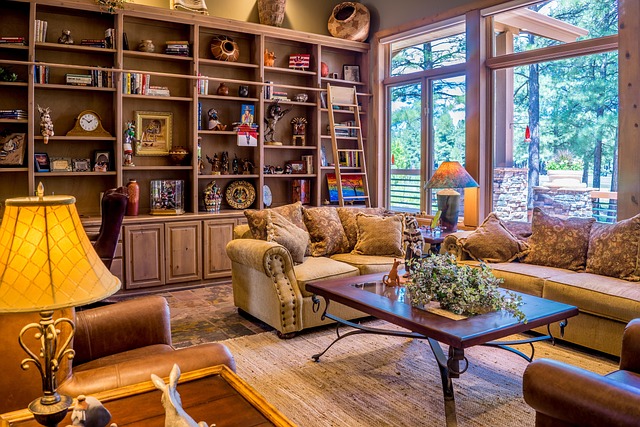
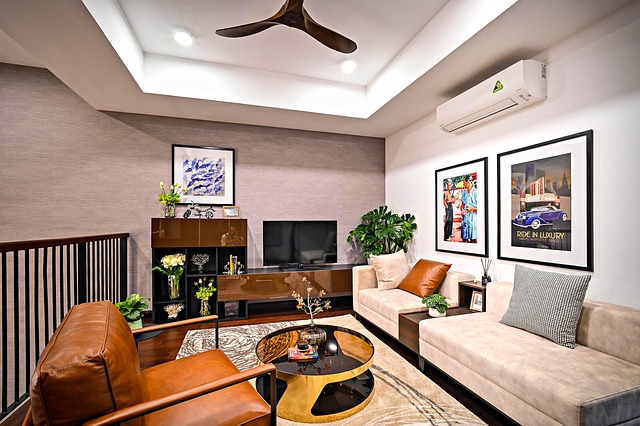
living room

When it comes to designing high-end interiors for exclusive homes, the key is to create a luxurious and elegant space that reflects the lifestyle and personality of its owner. This requires careful attention to detail, quality materials, and expert craftsmanship. Luxury living is not just about expensive furniture or flashy decor. It’s about creating a sense of comfort, sophistication, and refinement. Luxury interiors often feature unique and one-of-a-kind pieces, from custom-made furniture to exquisite artworks. These elements add a personal touch and elevate the space’s overall design, including house numbers on the front door. In addition, natural materials such as marble, hardwood, and stone are commonly used in luxury interiors, providing a sense of opulence and timelessness.

Crafting a Vision of Opulence

Luxury living isn’t merely about extravagance but curating an ambiance that speaks to individuality and refined tastes. It begins with envisioning a space that embodies the essence of luxury. Whether it’s a modernist masterpiece, a classic estate, or a fusion of styles, the key lies in personalizing every element to create a cohesive and luxurious environment. This requires a deep understanding of the client’s lifestyle, preferences, and aspirations. From there, an experienced interior designer can work closely with the client to bring their vision to life.

kitchen

Creating a Sense of Comfort

One might associate luxury living with being ostentatious or unapproachable, but that couldn’t be further from the truth. The ultimate goal is to create a space that exudes comfort and warmth while maintaining high sophistication. This can be achieved through the use of plush fabrics, soft lighting, and carefully curated textures. The key is to strike the perfect balance between luxury and coziness.

Incorporating Cutting-Edge Technology

Luxury living isn’t just about aesthetics but also practicality and convenience. Technology is crucial in enhancing the overall living experience in today’s modern world. From smart home systems to high-tech appliances, incorporating cutting-edge technology into the design can elevate a space to a whole new level of luxury and functionality.

The Power of Customization

One of the hallmarks of luxury living is customization. Every element, from furniture to lighting fixtures, can be tailored to suit the client’s unique tastes and needs. This allows for a truly personalized and exclusive space that cannot be replicated elsewhere. Working with skilled artisans and craftsmen, interior designers can bring their client’s visions to life in a way that is truly one-of-a-kind.

In Conclusion

Designing high-end interiors for exclusive homes is an art that harmonizes exquisite craftsmanship, innovative design, and personalized luxury. It’s about creating spaces that transcend the ordinary and provide an environment where elegance and comfort converge. From the finest materials to meticulous attention to detail, each element contributes to an unparalleled living experience. In the realm of luxury living, the ultimate goal is not just to create a beautiful space but to craft a haven that reflects the essence of its inhabitants’ aspirations and lifestyles.…

How to Ensure Your Home Gets the Best Pest Control Services

pest control

When it comes to managing your home, it’s important to ensure you’re getting the best services possible. Whether it’s repairs, renovations, or maintenance, you deserve top-notch service that meets your expectations. Premier Pest Control Company in South Florida, for instance, provides excellent services to help homeowners eradicate pests. However, finding reliable and reputable service providers can be challenging. In this blog post, we’ll provide you with valuable tips on how to ensure your home gets the best services.

Do Your Research

research

The first step in securing the best services for your home is to do thorough research. Utilize online platforms, such as review websites or social media groups, to gather information about local service providers. Read customer reviews and ratings to get a sense of their reputation and reliability.

Check Credentials and Certifications

Before hiring any service provider, check their credentials and certifications. Ensure they are licensed, insured, and bonded if required for the particular service they offer. Licensing ensures that the provider has met certain standards and possesses the needed skills and knowledge. Insurance protects you from liability if accidents or damages happen during the job. Request proof of insurance and any other relevant certifications to ensure you’re working with professionals who meet industry standards.

Seek Multiple Quotes

Obtaining multiple quotes from different service providers is essential to ensure you’re getting the best value for your money. Ask for detailed, written estimates that include all expenses associated with the project or service. This will enable you to compare prices, services offered, and the timeline for completion. Be cautious of significantly low quotes, as they may indicate subpar workmanship or the use of inferior materials. Consider the overall reputation, expertise, and price before making your final decision.

Request References

When choosing service providers for your home, don’t hesitate to request references from previous clients. Contact these individuals and ask about their experience, the quality of work, and the provider’s professionalism. A trustworthy service provider will gladly provide references and showcase their track record of satisfied customers.

Read and Understand Contracts

contractBefore engaging any service provider, carefully read and comprehend the terms and conditions outlined in their contract. This document acts as a legally binding agreement between you and the provider, so it’s crucial to know your rights and responsibilities. Pay attention to details such as payment schedules, warranty or guarantee information, project milestones, and any clauses related to potential disputes. If anything is unclear, seek clarification from the provider before signing the contract.



Maintain Communication

Maintaining open and clear communication with your chosen service provider is vital throughout the project. Clearly communicate your expectations, concerns, and any changes you may want to make. Regularly check in with the provider to ensure they are on track and address any issues promptly.

Ensuring your home receives the best services requires diligence and thorough research. Remember, investing in high-quality services not only benefits your home but also provides peace of mind. With a little effort and the right approach, you can maintain and enhance your home while receiving top-notch services.…

The Biggest Challenges Associated With Timber Houses

timber

Using timber in building construction surely has its fair share of pros and cons. Quoted from Westdeutsche Zeitung, timber house construction has gone far beyond traditional and even combated the biggest issue it has: lack of fire safety. Still, it’d be such a valuable time to learn about this issue and the other biggest challenges that homeowners may encounter when choosing this type of construction. So, let’s uncover these challenges one by one.

Fire-Safety Issues

fire

Wood, being a combustible material, can pose higher risks compared to other building materials like concrete or steel. While modern timber construction techniques have improved fire resistance, it’s important not to overlook the potential hazards. The main challenge lies in the flammability of exposed wood surfaces. Without proper protective measures such as flame-retardant treatments or fire-resistant coatings, these surfaces can easily catch fire and spread flames rapidly throughout the structure. Additionally, electrical wiring within timber homes needs extra attention. Faulty wiring or overloaded circuits can increase the risk of electrical fires. It’s crucial to ensure that all electrical installations are up-to-date and meet safety standards.

Moisture and Rot

Moisture is one of the biggest challenges that timber houses face. It can seep deeply into the wood and cause rot, leading to structural damage and decay. This moisture can come from various sources, such as rain, humidity, or leaks in plumbing or roofing. When timber houses are not adequately protected against moisture, they become vulnerable to rot. Rot is a natural process where fungus begins to break down and damage the wood fibers, causing them to weaken and lose their integrity over time. This can result in expensive repairs and even compromise the safety of the structure. Preventive measures must be taken to protect timber houses from moisture and rot. Proper ventilation systems need to be installed to allow for airflow within the house and prevent condensation build-up.

Insect and Pest Infestation

These tiny invaders can wreak havoc on a home, causing damage to the structure itself as well as any wooden furniture or fixtures inside. Termites are perhaps the most notorious culprits when it comes to damaging timber houses. These silent destroyers can go undetected for years, slowly eating away at the wood from within. By the time their presence is discovered, significant structural damage may have already occurred. Other common pests that can infest timber houses include carpenter ants, wood-boring beetles, and powderpost beetles. These insects burrow into the wood, leaving behind tunnels and galleries that weaken its integrity over time.

Shrinkage and Warping

damagedMoving on to the last one, as a natural material, wood is prone to movement and changes in shape over time. One of the main causes of shrinkage in timber houses is moisture imbalance. When wood absorbs moisture from its surroundings, it expands. Conversely, when it loses moisture, it shrinks. This can lead to gaps between floorboards or walls that were once perfectly aligned. Warping is another issue frequently encountered with timber houses. It occurs when the different parts of a wooden structure—such as beams or panels—dry at different rates. This can result in boards that twist or bend out of shape, affecting both the appearance and functionality of the house.


The Bottom Line

Living in a timber house can certainly have its advantages – the natural beauty, the eco-friendly aspect, and the warm and inviting atmosphere. However, please be aware of the potential challenges that come with this type of construction and arm up with the right methods to combat these issues.…

Potential Risks of Being an Underinsured Homeowner

keys

Are you confident that your homeowner’s insurance policy has you fully covered? It’s easy to assume that everything is taken care of until disaster strikes. Being an underinsured homeowner can lead to unexpected financial burdens and a lot of headaches down the road. This can also affect the energy construction costs later on. So today, let’s learn the potential risks and pitfalls of not having adequate coverage for your home.

Your Emergency Home Repairs Can Cost Really High

costWhen it comes to emergency home repairs, the costs can add up like a flash and catch you off guard. Imagine waking up in the middle of the night to a burst pipe flooding your basement or a tree crashing through your roof during a storm. These types of unexpected emergencies require immediate attention, and without adequate insurance coverage, you may find yourself footing the bill for major repairs.


From water damage restoration to structural repairs, emergency home repairs can be incredibly costly. Not only do you have to worry about fixing the problem itself, but also any subsequent damage caused by water or other factors. The expenses can escalate rapidly, leaving you scrambling for funds that may not be readily available. Additionally, underinsured homeowners often face higher repair costs due to limited coverage options.

A High Deductible After an Accident Is Now Possible

Accidents happen when we least expect them. Whether it’s a small mishap or a major catastrophe, the financial repercussions can be overwhelming. As an underinsured homeowner, one of the potential risks you face is being hit with a high deductible after an accident. When you’re underinsured, your insurance coverage may not be sufficient and adequate to protect you if property damage or personal injury occurs fully. This means that if something goes wrong and you need to file a claim, you could end up having to pay a significant portion of the expenses out of pocket. Being prepared financially for unforeseen events is just as vital as protecting yourself against potential damages themselves.

You May Not Be Covered for Flood Damage

flood

Many regular homeowner insurance policies don’t include coverage for floods, which can be devastating if you live in an area prone to flooding. As we know, floods can cause extensive damage to your property and its contents, from structural issues and water damage to loss of personal belongings. Without proper coverage, you could be left responsible for the hefty costs associated with repairing or replacing damaged property. From ruined furniture and appliances to mold growth and foundation problems, the aftermath of a flood can quickly become overwhelming without adequate insurance coverage. So protect yourself from financial hardship when a flood occurs by adding a separate flood insurance policy to your existing homeowner insurance.

Filing Claims for Any Disaster Can Become a Nightmare

When disaster strikes, it’s natural to turn to your insurance company for help. After all, that’s what you’ve been paying premiums for all these years. But what happens when filing a claim becomes more of a headache than the actual disaster itself? Insurance companies do have strict policies and procedures in place, and if you don’t meet their requirements or haven’t adequately insured your home, getting the compensation you need can be a nightmare.

There may be delays in processing your claim due to a lack of coverage or insufficient documentation. Your insurer will likely require detailed evidence of damage, including photographs, receipts, and estimates from contractors. If you’re underinsured or fail to provide this information promptly, it could significantly hinder the claims process. Additionally, even if your claim is accepted, there’s no guarantee that you’ll receive adequate compensation.

Being an underinsured homeowner can pose significant risks and financial burdens. So, review your insurance policies regularly and ensure you have adequate protection against unforeseen events. This way, you can do your best to secure comprehensive coverage and safeguard your properties and financial well-being when any disaster strikes.…

Why Home Ownership Is Underrated

ownership

Homeownership is often touted as the quintessential part of the American Dream. But in today’s society, renting is becoming more and more popular. Well, I’m here to tell you that homeownership is severely underrated. Here are a few reasons why.

You Can Do Whatever You Want With Your Space

If you have read https://www.vk.se/2022-10-31/drommer-du-om-ett-stenhus, you will know that one of the best things about owning a home is that you can do whatever you want with it. Want to knock down a wall to create an open-concept living area? Go for it. Want to paint your bedroom neon green? No one can stop you. When you own your home, you have complete control over your space, which is beautiful.

You’re Building Equity

One of the main reasons why homeownership is such an excellent investment is that you’re building equity with every mortgage payment. Unlike renting, where you’re essentially throwing money away every month, owning a home means investing in your future. Every time you make a mortgage payment, you’re one step closer to owning your home outright.

You Can Customize Your Home to Your Liking

When you own your home, you can customize it to your heart’s content. Want to install a pool in the backyard? Done. Want to add a deck off the back of the house? You got it. When you’re a homeowner, you can make changes to your home that fit your lifestyle and preferences.

design

You Can Host Epic Parties

Let’s be real, hosting a party in your own home just hits differently. As a homeowner, you can invite all your friends for a backyard BBQ, a holiday party, or a game night without worrying about breaking any rental rules. Plus, you’ll have more space to entertain, which means more room for fun and memories.

You Have More Stability

When you rent, you’re at the mercy of your landlord. They can decide to sell the property or not renew your lease at anytime, which can be a major headache. Owning your home gives you more stability and control over your living situation. You don’t have to worry about being uprooted at the end of a lease or dealing with a difficult landlord.

You Can Make Money From Your Home

You can make money from your home if you ever decide to move. Depending on the market, you could sell your home for a profit, which can help you finance your next home purchase.

Additionally, you can rent your home if you decide to move elsewhere. Renting out your home can provide a steady stream of income that can help you build wealth and achieve your financial goals.

Homeownership is seriously underrated. When you own your home, you have complete control over your space, you’re building equity, you can customize your home to your liking, you can host epic parties, you have more stability, and you can make money from your home. While renting may seem like an attractive option, the benefits of homeownership far outweigh any perceived drawbacks. So, take the leap if you’re on the fence about buying a home. Your future self will thank you.…

Key Things to Know Before Refinancing Your Mortgage Loan

keys

Are you considering refinancing your mortgage loan? If so, it’s essential to know what to expect. There are many things to think about before you refinance, and it’s vital to make sure you’re making the right decision for your financial future. In this blog post, we will discuss some key things to keep in mind before refinancing your mortgage loan. We’ll also provide tips to help you make the best decision for your needs. Also, you may wonder, “Sell or Remodel: What’s Best During Inflation?” You can read more to determine the direction to take depending on your goals and situation.

Know Your Homes Equity

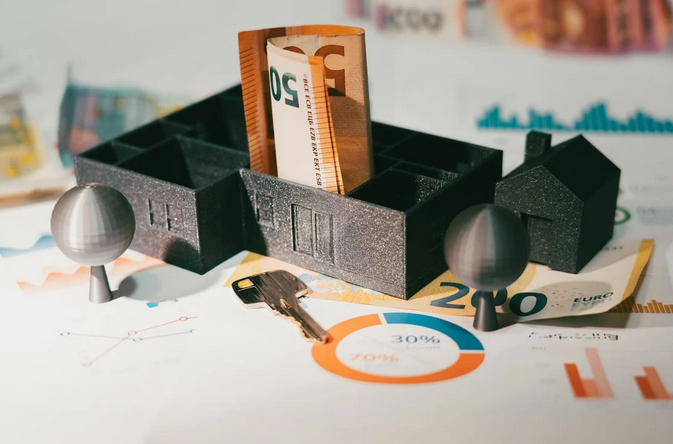
calculatorBefore you begin the refinancing process, you must know your home equity. Home-equity is that difference between the amount you still owe on your mortgage loan and your home’s value. You can calculate your home equity by subtracting the balance of your mortgage loan from your home’s appraised value. If you have a lot of equity in your home, you may be able to get a lower interest rate on your new mortgage loan.

Consider Cost of Refinancing

keysAnother vital thing to keep in mind is the cost of refinancing. You will have to pay closing costs when you refinance your mortgage loan. These costs include appraisal fees, title insurance, and origination fees. You may also have to pay for private mortgage insurance if you have less than 20% equity in your home. The cost of refinancing can vary depending on the lender you choose and the type of loan you get. Be sure to compare offers from multiple lenders to find the best deal.

Establish Your Credit Score

cardYour credit score is a critical factor that lenders consider when you apply to refinance your loan. Your credit score is a measure of your creditworthiness, used to decide whether or not you can get a loan and what interest rate you will pay. If you have a high credit score, you’re more likely to be approved for a loan, and you may qualify for a lower interest rate. If you have a low credit score, you may still be able to get a loan, but you may have to pay a higher interest rate.
Refinancing your mortgage loan can be a great way to save money or get a lower interest rate. However, there are several things you should keep in mind before you begin the process. Be sure to know your home equity, refinancing cost, debt-to-income ratio, and credit score.…

Tricks to Improve Your Curb Appeal With Only Colors and Textures

colors

Your curb appeal is one of the first things people see when they look at your home. It’s essential to make a good impression. This blog post will discuss some simple ways to improve your curb appeal using only colors and textures. Tips for painting a house for a better curb appeal are also here to help you out. We’ll also provide some helpful tips on choosing the right colors and textures for your home. So, if you’re looking to give your home a quick facelift, read on.

Determine Your Aesthetic Skews of Modern or Traditional

The first step in finding the right colors and textures for your home’s exterior is determining your overall aesthetic. Are you going for a modern look or a more traditional one? This will help you to zero in on the right colors and textures. If you’re not sure, look at some homes in your neighborhood that you admire. What do they have in common? If you’re leaning towards a modern look, you’ll want to use clean and crisp colors. Think white, black, or gray. You can also experiment with bolder colors, but be sure to pair them with neutrals not to overwhelm the senses.

Get Creative and Playful With Color Tones

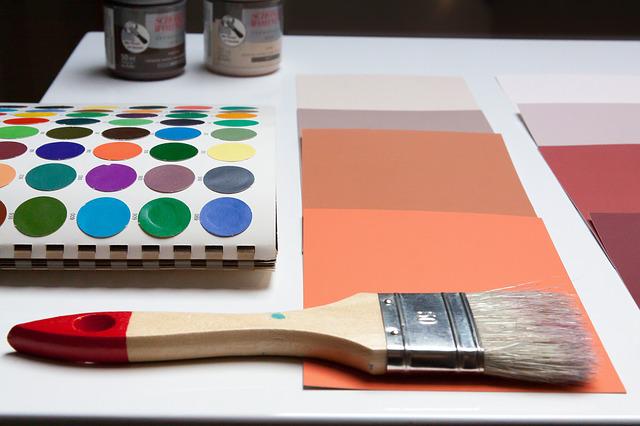
As mentioned, you can get creative with color for your home’s exterior. But, if you’re not sure where to start, consider using colors already present in nature. For example, if you have a lot of trees on your property, try using green or brown as your base color. It will help to tie the entire look together. You can also use colors that complement each other. For example, if you have a lot of flowers in your landscaping, you may want to use pink or purple as an accent color. Just be sure not to go too crazy with it. A little bit of paint can go a long way.

brush

Embrace Different Textures

On top of that, don’t be afraid to experiment with different textures. This is a great way to add dimension and interest to your home’s exterior. There are a variety of ways that you can add texture. For example, you can use stone or brick on your home’s façade. You can also use textured paint or siding. And, if you want to get creative, you can even use different types of plants and landscaping features to create texture. Just be sure not to go overboard. Too much texture can be just as overwhelming as too much color.

By following these simple tips, you can quickly improve your home’s curb appeal. Note that it doesn’t have to be a huge and expensive project. Sometimes, all it takes is a fresh coat of paint and some new landscaping features to make a difference. So, don’t be afraid to experiment. And, most importantly, have fun with it. After all, your home should reflect your personal style.…

5 Tips to Boost the Value of Your Home

home

If you’re looking to boost the value of your home, you’re in luck. Your luck just guaranteed five tips that are guaranteed to help increase your home’s value from us. Isn’t that amazing? Whether you want to sell in the near future or just want to get a better idea of what your home is worth, these tips will help. So, without further ado, let’s get started.

Add More Greeneries

plantingWhen you got trees, shrubs, and flowers around your home, it makes it more appealing to would-be buyers. It gives off an aura of a comfortable and happy home. Furthermore, it can also help cool during summertime and provide insulation during wintertime. Potential homebuyers will take all of these benefits into consideration, which means a higher chance of selling at a higher price. Remember to keep them trimmed because tree service Carmel mentioned the dangers of overgrown greeneries.

Paint the Walls

A fresh coat of paint is one of the most inexpensive ways to increase your home’s value. It can change the entire look and feel of a room without breaking the bank. When choosing a color, opt for light and neutral colors. They make a space appear larger and more open, which is something that potential buyers are looking for. The type of paint you use is also essential. Make sure to use high-quality paint so that it will last longer and look better in the long run.

Update the Hardware

Another simple and inexpensive way to update your home is to change out the hardware. This includes doorknobs, drawer pulls, light fixtures, and more. You can give your home a whole new look by simply changing these things. Just make sure that the new hardware coordinates with the style of your home. You can find high-quality hardware at most home improvement stores or online.

Add Crown Molding

Adding crown molding is a great way to add value to your home. It’s a simple and easy way to make a significant impact. Crown molding can be found at most home improvement stores and is relatively easy to install. If you’re not sure how to install it, there are plenty of instructional videos and articles online. Just make sure to take your time and measure twice before cutting so that everything fits perfectly.

Install Solar Panels

solarLastly, installing solar panels is a great way to increase the value of your home. Solar panels are becoming increasingly popular as they offer a more sustainable and environmentally-friendly option. Not only will you be saving money on your energy bills, but you’ll also be adding value to your home. These are just a few of the many ways you can increase the value of your home. Just remember to take your time and consult with experts before making any significant changes.


With a little bit of effort, you can easily increase the value of your home. What are some other ways you’ve increased the value of your home? Share your tips in the comments below.…

Tips for Maximizing Your Yard

yard

Do you love spending time outdoors in your yard but feel like you’re not getting the most out of it? Are you looking for a dealer who is selling pavilions? Or you’re not sure how to maximize your space? If so, don’t worry – you’re not alone. Many people struggle with making the most out of their outdoor spaces. This blog post will provide some tips for doing just that. By following these tips, you can turn your yard into a place you love spending time.

Get Rid of Clutter

fieldOne of the best ways to make the most out of your outdoor space is to eliminate any clutter taking up space. It could include things like old garden tools, unused furniture, or anything else that you don’t need. Getting rid of this clutter will give you more space to work with and make your yard more enjoyable. If you have any items taking up space but don’t want to get rid of them, consider storing them in a shed or garage. It will free up some space in your yard while still allowing you to keep the items you want.

Add Some greenery

Another great way to make your outdoor space more enjoyable is to add some greenery. It could include things like flowers, trees, or even a vegetable garden. Adding some plants to your yard will make it more visually appealing and can also provide you with fresh produce. If you’re unsure what kind of plants would work well in your yard, consider talking to a local nursery or gardening center. They will be able to give you some recommendations based on the size and layout of your space.

Create a Sitting Area

If you enjoy spending time outdoors, it’s crucial to have a comfortable place to sit. It could be a patio set, a bench, or even just some chairs and a table. Having a designated sitting area will allow you to relax and enjoy the outdoors. It can also be a great place to entertain guests.

Add Some Lighting

houseAnother great way to make your outdoor space more enjoyable is to add some lighting. It can help you extend your time outside in the evenings and make your yard more visually appealing. There are various types of lighting you can use, so be sure to do some research to find what will work best for your space. By following these tips, you can make the most out of your outdoor space. With a little bit of effort, you can turn your yard into a place you love spending time.…