
Why Fence Gate Security Is Your Home’s First Line of Defense

When you think about home security, alarm systems and smart cameras might come to mind first. But before any of those tools come into play, the real frontline defender of your property is something much simpler: your fence gate. A strong, well-placed gate does more than just mark your property line—it sets the tone for your home’s safety. Here’s why your fence gate deserves a little more credit in the home security conversation.

Providing the First Barrier Against Unwanted Access

Before anyone reaches your front door, they encounter your fence gate. That physical separation between public and private space sends a clear message: this property is protected. Whether it’s a tall metal gate or a solid wooden one, the presence of a secure gate can act as a major deterrent for intruders. It adds a layer of effort and visibility to unauthorized entry, making your home a less appealing target.

Enhancing Safety Through Strategic Gate Design

The benefits of installing fence gates for safety go beyond simply having a gate in place. It’s about smart design choices—choosing the right height, lock system, and visibility features can significantly reduce security risks. For instance, a gate that allows you to see who’s on the other side (without letting them see into your property) gives you the upper hand. When done right, installing a gate becomes more than an aesthetic choice—it’s a deliberate step toward safeguarding your home and everyone in it.

Controlling Who Comes in—and Who Doesn’t

access

A secure gate gives you control, plain and simple. Whether it’s through a traditional lock, a keypad, or a smart access system, fence gates allow you to decide who enters your property and when. This control is especially useful for homes with children or pets, where you need to keep the area secure while allowing select access to family, friends, or service providers. It’s not just about keeping people out—it’s about managing the flow of people in a way that keeps your household safe.

Maintaining Privacy

Privacy is closely tied to security, and a good fence gate provides both. A solid gate shields your home from the eyes of strangers, helping to prevent unwanted attention. It also creates a psychological boundary—people are far less likely to approach or loiter near a property they can’t easily see into. This sense of privacy contributes to a greater feeling of safety for everyone inside the home.

Boosting Property Value and Curb Appeal

Security and aesthetics don’t have to be at odds. A well-designed gate can enhance the look of your home while also making it safer. Potential buyers often view a secure perimeter as a major plus, which can increase your home’s value on the market. It signals to others that the property has been cared for with intention, including its security features. So whether you’re staying put or thinking about selling down the line, your fence gate is pulling double duty.

When it comes to home security, it’s easy to get caught up in technology and forget about the physical elements that matter just as much. Your fence gate isn’t just a boundary—it’s your first defense, your privacy shield, and your access control system all in one. Investing in a secure, well-designed gate is one of the simplest and smartest steps you can take to protect what matters most.…

How to Plan a Net Zero Home With Eco-Friendly Architecture

house

Building a home today isn’t just about bricks, mortar, and paint—it’s about responsibility to both comfort and the planet. Aachener Zeitung stresses the growing importance of eco-friendly architecture in shaping houses that use fewer resources and leave a lighter footprint. A net-zero home, when carefully planned, is one of the most effective ways to achieve that balance.

Start With Smart Site Orientation

people The position of your home on its plot influences energy use more than many people realize. A south-facing orientation can maximize natural light and reduce heating costs in colder months. Shading systems or trees can keep interiors cool during hot summers. Thoughtful placement works like a built-in energy saver. Designing with the landscape in mind helps the home harmonize with its environment. Hills, trees, and even nearby buildings can influence temperature and light. Planning ahead saves headaches later, while also trimming energy bills.

Prioritize High Performance Insulation

Energy efficiency begins with strong insulation. Walls, roofs, and floors should be designed to keep warm air in during winter and block heat during summer. Quality insulation reduces the need for constant heating or cooling, keeping costs under control. Insulation also creates a quieter home. Outside noises are muffled, creating a peaceful indoor environment. Comfort levels rise, while energy waste drops, creating a win-win for both residents and the planet.

Harness Solar Power

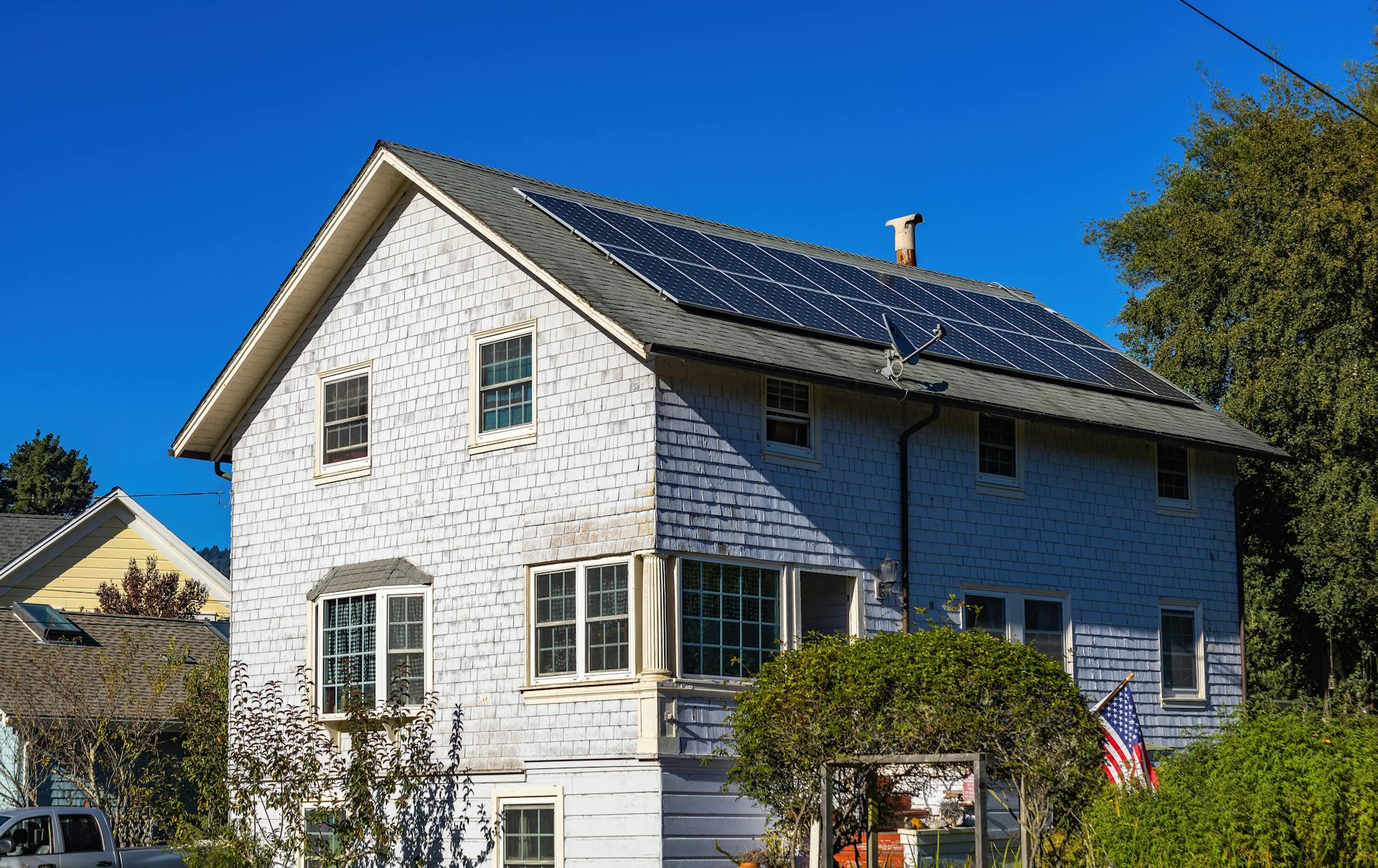
Solar panels are at the core of many net-zero homes. They provide clean energy directly from the sun, offsetting the power you pull from the grid. Over time, they often pay for themselves by cutting utility bills dramatically. Pairing panels with a battery system helps store extra energy for cloudy days. That means fewer interruptions and a more stable power supply. Homes that generate their own electricity also become more resilient to changes in energy costs.

Choose Sustainable Building Materials

tubes

The materials used in construction matter just as much as design. Options like recycled steel, reclaimed wood, or low-carbon concrete reduce environmental impact. They offer durability without the heavy footprint of traditional products. Beyond structure, even finishes such as non-toxic paints contribute to a healthier indoor atmosphere. These choices protect both residents and the environment. It’s a simple way to make a house safer while lowering emissions.

Integrate Water Saving Solutions

Water efficiency plays a critical role in sustainable home design. Low-flow fixtures in bathrooms and kitchens significantly reduce water use. Rainwater harvesting systems add another layer of conservation, supplying water for gardens or flushing toilets. Greywater recycling systems can reuse wastewater from sinks or showers. This helps cut down on waste and keeps utility bills lower. Together, these measures make homes more self-sufficient and environmentally conscious.

Plan for Smart Ventilation

Fresh air circulation is essential in any eco-friendly home. Mechanical ventilation systems with heat recovery technology allow air to flow while maintaining indoor temperatures. This reduces energy loss without sacrificing comfort. Good ventilation also lowers indoor pollutants, keeping the air cleaner for residents. By managing airflow effectively, families can enjoy healthier living spaces while supporting the net-zero goal.

Creating a net-zero home requires thought, planning, and smart choices, but the payoff is worth it. Homeowners save money, live more comfortably, and contribute to a healthier planet. By combining energy efficiency, sustainable materials, and modern systems, eco-friendly homes show what the future of housing should look like.…

Big Ideas for Small Outdoor Spaces: Make Every Inch Count

grass

Small outdoor spaces can offer big potential when approached with creativity and smart design choices. Whether you have a narrow side yard, a compact patio, or a tiny balcony, it’s all about maximizing function without overwhelming the area. Vertical gardens, foldable furniture, and multi-use features are just a few ways to enhance the space you have. Exploring affordable tips to make the most of tiny outdoor spaces can spark ideas that fit your style and budget, turning even the smallest patch into a cozy, inviting retreat that feels anything but limited. Below are various tips to consider when dealing with small outdoor spaces.

Maximize Vertical Space

When ground space is limited, think upward. Vertical gardening is one of the most effective ways to add greenery without taking up valuable floor space. Use wall-mounted planters, hanging baskets, or tiered plant stands to grow herbs, flowers, or even vegetables. Trellises and vertical garden panels can double as privacy screens while adding a lush, layered look. Climbing plants like jasmine or ivy can soften hard surfaces and create a more natural ambiance without crowding the area.

Choose Compact, Dual-Purpose Furniture

furniture

In a small outdoor space, every item should serve more than one function. Look for furniture that folds away when not in use or offers built-in storage, like a bench that opens to hold cushions or tools. Bistro sets are ideal for tiny patios, while nesting tables can be stacked when you need to free up room. Choosing slim, lightweight furniture with clean lines helps avoid a bulky look and keeps the space feeling open.

Define Zones, Even in Tight Spaces

Even in a limited area, defining different “zones” for relaxing, dining, or gardening creates visual structure and enhances usability. Use outdoor rugs to anchor a sitting area, or place planters around a small table to distinguish it as a dining nook. Thoughtful placement helps prevent the space from feeling cluttered and encourages you to use it more often for multiple activities.

Incorporate Reflective Surfaces and Light

Mirrors, glossy finishes, and light-colored materials can all make a small outdoor space feel larger. A mirror hung on a fence or wall creates an illusion of depth, while metallic planters or glass-topped tables reflect natural light to brighten the area. String lights, lanterns, or solar stakes add warmth and extend the usability of the space into the evening hours without overwhelming the design.

Stick to a Cohesive Style

patio

To keep your space from feeling chaotic, choose a consistent color palette and design theme. Whether it’s modern minimalism, boho chic, or rustic charm, sticking to one style helps the space feel intentional and polished. Use repeating elements like matching cushions or uniform plant containers to tie everything together. This visual harmony makes the area feel more spacious and inviting.

Small outdoor spaces may come with limitations, but they’re also opportunities for smart, stylish design. By using vertical space, choosing functional furniture, and maintaining a cohesive look, you can turn even the tiniest patio or balcony into a relaxing escape. With a little imagination and planning, every inch of your outdoor area can become part of a beautiful, functional extension of your home.…

How to Spot Trouble Zones on Your Roof Before They Become Costly Repairs

roofers

Roof damage can cause expensive repairs if unnoticed for too long. While your roof might look intact from the ground, hidden trouble spots can quietly cause water leaks, structural issues, and energy inefficiencies. Regular inspections and simple preventative steps, like proper gutter cleaning, can save you from unnecessary costs down the road. Even the smallest flaws—like a cracked shingle or loose flashing—can snowball into major concerns if left unattended.

Caring for your roof doesn’t always mean climbing up with a toolbox. It begins with awareness of the signs that hint at trouble overhead. Let’s walk through five practical tips to help you catch these issues early, before they require serious intervention.

Watch for Discoloration and Stains on Ceilings or Walls

A water stain on your interior ceiling or wall may seem harmless at first, but it often indicates a leak from above. These brownish or yellowish spots could mean that moisture is making its way through your roof’s protective layers. If you notice peeling paint or soft drywall, it’s a sign to take a closer look—especially during rainy seasons. Moisture doesn’t follow a straight line. Water can travel along beams and joists before settling in visible places, making the actual entry point difficult to identify. That’s why consistent observation of interior spaces is just as important as checking the roof surface itself.

Check for Missing, Curled, or Damaged Shingles

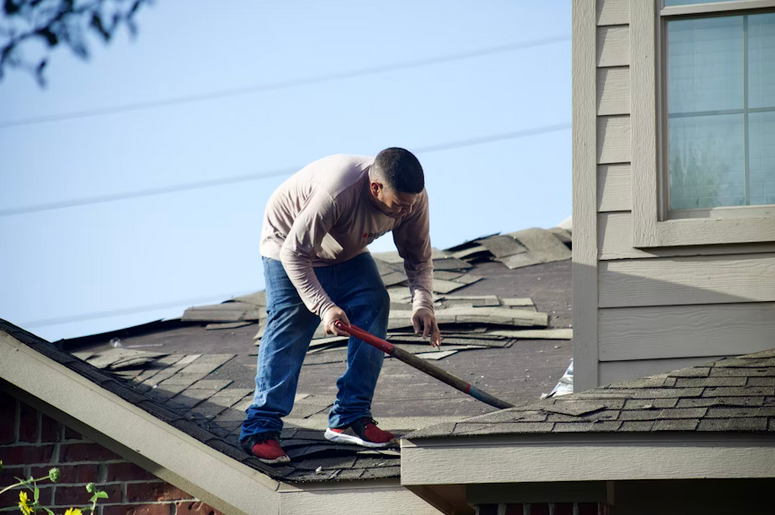
Over time, shingles can crack, buckle, or simply detach due to strong winds and sunlight exposure. When that happens, the roof becomes vulnerable to leaks and rot. You might notice uneven patches from the ground or even see shingle debris in your gutters or around the yard. Certain roof types, such as asphalt or composite shingles, tend to show wear after prolonged sun exposure. Be especially cautious after heavy storms—high winds may lift or remove shingles entirely, exposing the structure underneath.

Inspect Flashing and Roof Edges for Gaps

roof

Flashing are thin pieces of metal that seal joints around chimneys, skylights, and vents. Over time, flashing can pull away or corrode, especially if it wasn’t installed properly to begin with. Gaps in flashing allow water to seep into those vulnerable connection points. The edges of the roof are equally susceptible. If you see light shining through from the attic or notice drafts around roofline features, it might indicate that seals are failing. Addressing these small openings early can prevent insulation problems and wood rot.

Don’t Ignore Sagging or Uneven Rooflines

Your roof should maintain a relatively straight, even appearance. Any visible sagging or drooping is a serious concern—it may signal compromised structural integrity, often due to long-term water damage, rot, or improper weight distribution. These types of issues typically worsen with time. If an area of your roof looks like it’s sinking or uneven, it’s best to act promptly. While cosmetic problems can often be fixed easily, structural ones are more expensive and disruptive if left too long.

Spot Blockage Along Gutters and Drainage Systems

Clogged gutters can seem a minor nuisance, but they can be a gateway to roof damage. Water that cannot flow properly through the drainage system often backs up under shingles or overflows into areas it shouldn’t, leading to leaks and mould growth. Clean gutters help preserve the integrity of your roof’s foundation and keep moisture away from sensitive edges. Seasonal gutter maintenance is crucial, particularly in regions with heavy leaf fall or frequent storms.

Maintaining a solid, healthy roof doesn’t require constant professional inspections—though they can be helpful. What it takes is a willingness to look for warning signs and respond quickly. A glance upward during your walk to the car, or a moment spent checking your attic after a rainstorm, can be all it takes to spot trouble early.…

The Best Color Palettes for Bohemian Interiors

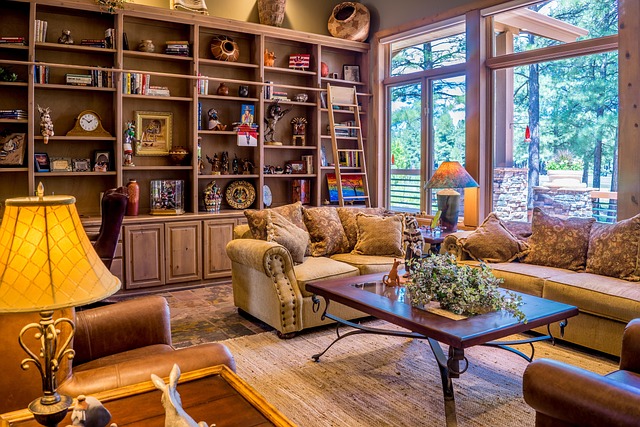
Thinking about giving a fresh style to your home? Are you wondering which interior design vibe suits you best, bohemian or eclectic style? Well, you might want to choose Bohemian. Bohemian interiors are all about embracing individuality and creating a space that reflects your personality.

They celebrate the beauty of nature, culture, and art in a harmonious blend. One of the key elements in achieving that perfect boho vibe is choosing the right color palette. From earthy tones inspired by nature to vibrant jewel colors that spark joy, each palette brings its own unique charm.

Earth Tones (Terracotta, Sage, Mustard)

Earth tones are the heart of bohemian design, grounding your space in warmth and comfort. Terracotta brings a rustic charm that evokes sun-baked landscapes. Its rich hue pairs beautifully with other colors, creating inviting focal points. Sage green adds a breath of fresh air to your interiors. This soft yet vibrant shade echoes nature’s tranquility, making it perfect for walls or accent pieces. It works well with terracotta, enhancing its earthy feel while adding depth. Mustard yellow injects a cheerful burst into the mix. This warm tone radiates positivity and energy without overwhelming the senses. Adding pops of mustard through throw pillows or artwork can instantly uplift any room.

Jewel Tones (Emerald, Sapphire, Ruby)

Jewel tones are a celebration of richness and depth. Think of emerald greens, sapphire blues, and ruby reds filling your space with vibrancy. Each color brings its own unique charm. Emerald evokes feelings of tranquility and nature. It pairs beautifully with earthy textures like wood or woven fabrics. Adding plants enhances this serene vibe even further. Sapphire is bold yet calming, reminiscent of deep ocean waters. It works well as an accent wall or in statement furniture pieces. Combined with lighter shades, it can create a stunning contrast that draws the eye. Ruby adds warmth to any room while exuding luxury.

Desert Neutrals (Sand, Clay, Whitewash)

Desert neutrals evoke the serene beauty of arid landscapes. Imagine the soft hues found in sandy dunes and sun-bleached rocks. These colors bring a sense of calm to any space. Sand tones create a warm base, perfect for grounding your room. They act as a canvas that allows other elements to shine without overwhelming the senses. Clay adds depth with its earthy richness. It’s versatile enough to complement both rustic and modern décor styles, enhancing warmth while maintaining sophistication. Whitewash brings an airy feel, brightening spaces while adding texture. This subtle finish reflects light beautifully, making small areas feel larger and more inviting.

Unexpected Pops (Fuchsia, Turquoise, Gold)

In the world of bohemian design, unexpected pops of color can transform a room into a vibrant oasis. Fuchsia brings an exhilarating energy to any space. This bold hue adds warmth and personality, creating focal points that draw admiration. Turquoise offers a refreshing contrast. It evokes images of clear skies and tranquil waters. When combined with earthy tones, turquoise elevate the ambiance while maintaining that laid-back vibe crucial to bohemian style. Gold accents complete the look beautifully. Adding a touch of luxury without overpowering other elements, gold works wonders in embellishing textiles or lighting fixtures.

How to Blend Multiple Palettes

Blending multiple color palettes can elevate your bohemian interior to new heights. The key is to find harmony between the shades you choose. Start by selecting a dominant palette, one that resonates with your personal style and creates a strong foundation for the space. From there, introduce accents from other palettes. For example, if earth tones are your base, consider incorporating jewel tones through accessories like throw pillows or artwork. This will create depth without overwhelming the room. Use neutrals as a bridge between different colors. Desert neutrals work beautifully here; they soften bold hues while allowing them to shine.…

Tips That Will Help Improve Indoor Air Quality at Your Home

air conditioner

Indoor air can be even more polluted than outdoor air. Indoor air pollution can cause health problems for many people who live indoors. Poor indoor air quality could be caused by many factors, including poor ventilation, dust, molds, and smoke. You can read more on other household irritants and the benefits of quality indoor air. For healthy people, this may not seem like a problem at all, but it can make a difference in the long-term for those with upper respiratory diseases such as asthma. Below are some tips that will help improve indoor air quality at your home.man online

Dust and Clean Your Home

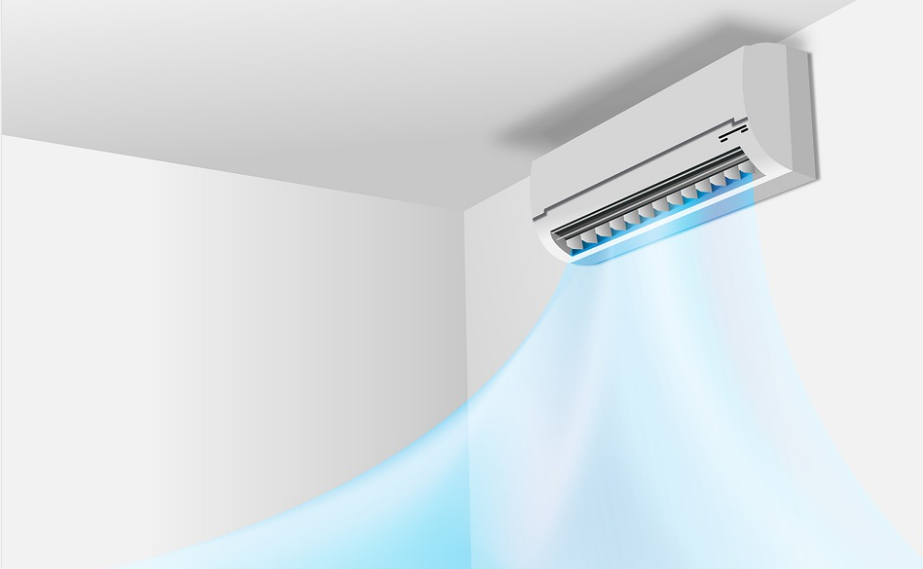
Dust can build up in your home and cause allergies and chemical reactions. To remove dust from the carpets and floor, sweep or use a vacuum at least twice a week. To ensure that dust doesn’t blowback from the exhaust, use a vacuum with a HEPA filter. Also, remember to clean the filter. To remove dust from the vacuum cleaner or broom, simply mop the floor with water. Dusting is not just for the floor. Walls, furniture, and appliances are also important. You should vacuum your floor at least twice per month. You should also vacuum the filters of your air conditioners or coolers at least once a week.

Control Moisture in Your House

To prevent mold growth and to control allergens, humidity levels should be below 50%. A dehumidifier may be used if necessary, but there are simple ways to reduce humidity such as fixing water leaks in the ceiling or under the sink. Clean mold growth by washing the area with warm soapy water and drying it thoroughly. Expert cleaners may be needed if mold growth is a persistent problem.

Ensure Proper Ventilation

Proper ventilation is about getting rid of indoor pollutants and letting in the fresh air. This can be done by opening the windows. This is especially important when you are cleaning, cooking, or using chemicals. To improve the flow of airborne particles and fumes to the outside, exhaust fans can be installed in bathrooms and the kitchen if you have the budget. If appliances require venting to the exterior, install them whenever you can. You can also use attic or window fans to bring fresh air into your home.…

What to Look Out For in a Good Electrician

an electrician

If you are trying to find a good electrician for your project, then you need to understand that not every electrician that you see out there is right for you. Some are in the industry because they are after making money and not providing quality service. Therefore, it is essential to do your due diligence to make sure that you do not hire an electrician who will disappoint you. So what should you look out for in a good electrician? Well, by the end of this article, you would have learned some of the things that will enable you to hire the right electrician.

Professionalism

an electrician

First and foremost, you need to ensure that you are dealing with an electrician who is a professional. The electrician should, for instance, be in a better position to solve the problem that you are experiencing. Since sometimes you will need the electrician to solve the problem even during your absence, you have to gauge their professionalism. An electrician who is a professional will never behave in a way that will hurt you in one way or the other. You cannot experience the loss of your belongings when working with a professional electrician.

Techno-Oriented

We live in a technological era, and you do not want to work with a technician who is not keen to embrace technology. You need to check on the type of equipment owned by the technician before deciding that you are going to hire them. One thing is for sure; if a technician has not invested in technology, there are high chances that they are not likely to do the quality work that you expect from them.

Prioritizes Safety

an electrician wearing safety clothing

The handling of electricity can be hazardous if not done right. A good electrician understands this, and that is why in everything that they do, they will always want to ensure that they prioritize safety. They will, for instance, ensure that there are no naked wires around that can harm your loved ones. The best way to know whether or not an electrician takes safety seriously is though talking to those who have used the electrician’s services before.

Great Reputation

Lastly, you need to check the reputation of the electrician that you want to hire. If an electrician does not have a good reputation, that could be a result of not doing a good job. Professional electrician earns a good reputation because they are always interested in offering their best. In other words, a good reputation is a revelation of the determination of an electrician to provide quality services.…

Essential Factors to Consider When Hiring Roofing Company

a roofer

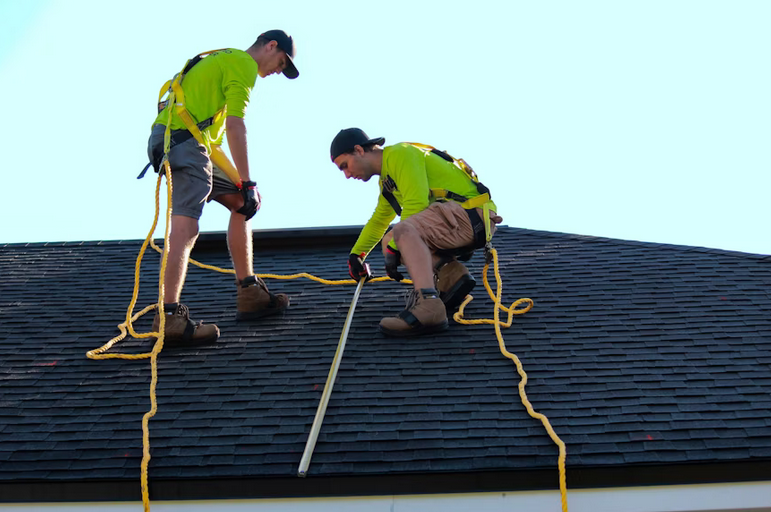
Whether you intend to renovate your home or install a new roof, one of the things that you will need is to ensure that you hire the right roofer. The fact that there are several roofers in the roofing industry makes it a bit tricky for anyone to find a roofing company that they can trust. However, if you spare some of your precious time do extensive research, you be sure to find a reliable roofing contractor. The following are some of the factors to consider when looking for a reputable roofing contractor:

Insurance

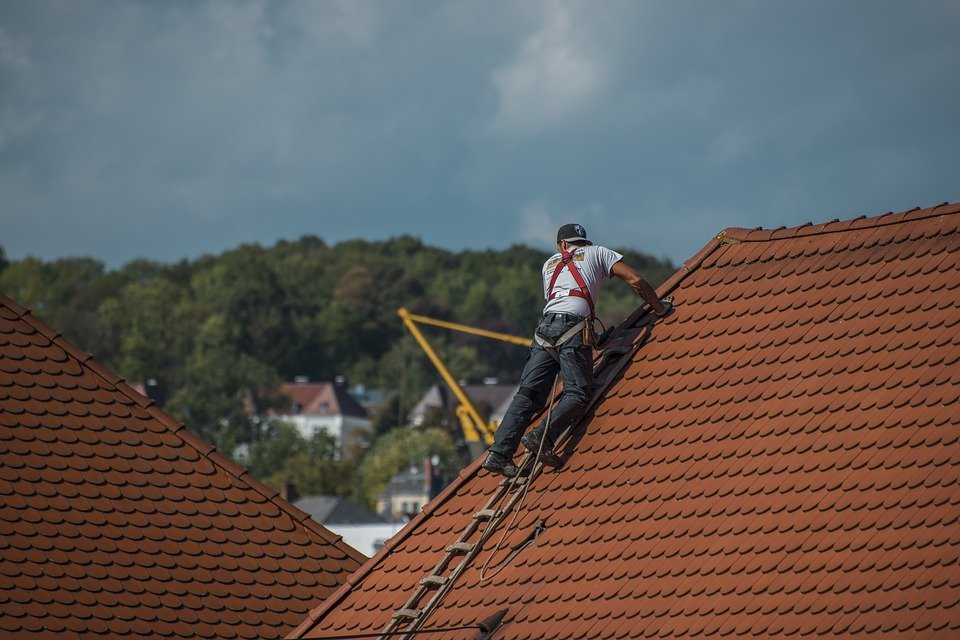
Another critical factor that you roofersshould consider when looking for a right roofing contractor is insurance. The roofing process involves climbing high heights, and this means that accidents are bound to happen during the entire process. To ensure that you are not held accountable for mistakes committed by your roofing contractor, it is crucial to hire a contractor is fully insured. Besides, an insurance cover is proof that the contractor in question is keen to do their work correctly.

License

It is essential that when looking for a roofing contractor, you first check the license. Governments and other relevant authorities issue a license to companies that prove they can offer quality services. This is to say that if a roofing contractor is not licensed, there are high chances they will end up doing a shoddy job. Also, working with a roofing contractor who is not licensed can put you into severe conflict with the relevant authority.

The Cost

roofing costs

The roofing cost varies depending on various factors. Some factors that influence the roofing cost include the size of the project, the material, and the location. Getting written estimates before signing any contractor ensure that you do not pay more than necessary. One essential thing to remember when determining the cost of the roofing project is that you get what you pay for.

The Location

Most homeowners prefer getting their roofing contractors from distant locations. That, however, is not a good idea as most of these contractors end up doing a shoddy job. If you are looking for a quality roofer who will do a good job, then you need to make sure that you choose those contractors that are located close to you. There are several reasons why this is a critical factor. First, local contractors would always want to have a good reputation in the neighborhood. They, therefore, would do their best to ensure that they do a good job. Secondly, it is easy to get access to them, in case you discover a fault after they have left.…