

How to Spot Trouble Zones on Your Roof Before They Become Costly Repairs

roofers

Roof damage can cause expensive repairs if unnoticed for too long. While your roof might look intact from the ground, hidden trouble spots can quietly cause water leaks, structural issues, and energy inefficiencies. Regular inspections and simple preventative steps, like proper gutter cleaning, can save you from unnecessary costs down the road. Even the smallest flaws—like a cracked shingle or loose flashing—can snowball into major concerns if left unattended.

Caring for your roof doesn’t always mean climbing up with a toolbox. It begins with awareness of the signs that hint at trouble overhead. Let’s walk through five practical tips to help you catch these issues early, before they require serious intervention.

Watch for Discoloration and Stains on Ceilings or Walls

A water stain on your interior ceiling or wall may seem harmless at first, but it often indicates a leak from above. These brownish or yellowish spots could mean that moisture is making its way through your roof’s protective layers. If you notice peeling paint or soft drywall, it’s a sign to take a closer look—especially during rainy seasons. Moisture doesn’t follow a straight line. Water can travel along beams and joists before settling in visible places, making the actual entry point difficult to identify. That’s why consistent observation of interior spaces is just as important as checking the roof surface itself.

Check for Missing, Curled, or Damaged Shingles

Over time, shingles can crack, buckle, or simply detach due to strong winds and sunlight exposure. When that happens, the roof becomes vulnerable to leaks and rot. You might notice uneven patches from the ground or even see shingle debris in your gutters or around the yard. Certain roof types, such as asphalt or composite shingles, tend to show wear after prolonged sun exposure. Be especially cautious after heavy storms—high winds may lift or remove shingles entirely, exposing the structure underneath.

Inspect Flashing and Roof Edges for Gaps

roof

Flashing are thin pieces of metal that seal joints around chimneys, skylights, and vents. Over time, flashing can pull away or corrode, especially if it wasn’t installed properly to begin with. Gaps in flashing allow water to seep into those vulnerable connection points. The edges of the roof are equally susceptible. If you see light shining through from the attic or notice drafts around roofline features, it might indicate that seals are failing. Addressing these small openings early can prevent insulation problems and wood rot.

Don’t Ignore Sagging or Uneven Rooflines

Your roof should maintain a relatively straight, even appearance. Any visible sagging or drooping is a serious concern—it may signal compromised structural integrity, often due to long-term water damage, rot, or improper weight distribution. These types of issues typically worsen with time. If an area of your roof looks like it’s sinking or uneven, it’s best to act promptly. While cosmetic problems can often be fixed easily, structural ones are more expensive and disruptive if left too long.

Spot Blockage Along Gutters and Drainage Systems

Clogged gutters can seem a minor nuisance, but they can be a gateway to roof damage. Water that cannot flow properly through the drainage system often backs up under shingles or overflows into areas it shouldn’t, leading to leaks and mould growth. Clean gutters help preserve the integrity of your roof’s foundation and keep moisture away from sensitive edges. Seasonal gutter maintenance is crucial, particularly in regions with heavy leaf fall or frequent storms.

Maintaining a solid, healthy roof doesn’t require constant professional inspections—though they can be helpful. What it takes is a willingness to look for warning signs and respond quickly. A glance upward during your walk to the car, or a moment spent checking your attic after a rainstorm, can be all it takes to spot trouble early.…

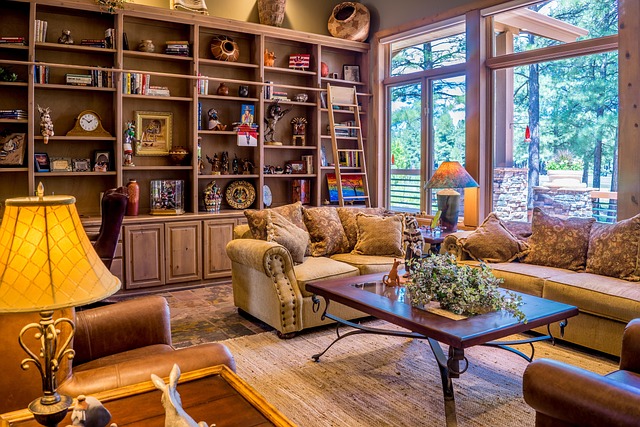
The Best Color Palettes for Bohemian Interiors

Thinking about giving a fresh style to your home? Are you wondering which interior design vibe suits you best, bohemian or eclectic style? Well, you might want to choose Bohemian. Bohemian interiors are all about embracing individuality and creating a space that reflects your personality.

They celebrate the beauty of nature, culture, and art in a harmonious blend. One of the key elements in achieving that perfect boho vibe is choosing the right color palette. From earthy tones inspired by nature to vibrant jewel colors that spark joy, each palette brings its own unique charm.

Earth Tones (Terracotta, Sage, Mustard)

Earth tones are the heart of bohemian design, grounding your space in warmth and comfort. Terracotta brings a rustic charm that evokes sun-baked landscapes. Its rich hue pairs beautifully with other colors, creating inviting focal points. Sage green adds a breath of fresh air to your interiors. This soft yet vibrant shade echoes nature’s tranquility, making it perfect for walls or accent pieces. It works well with terracotta, enhancing its earthy feel while adding depth. Mustard yellow injects a cheerful burst into the mix. This warm tone radiates positivity and energy without overwhelming the senses. Adding pops of mustard through throw pillows or artwork can instantly uplift any room.

Jewel Tones (Emerald, Sapphire, Ruby)

Jewel tones are a celebration of richness and depth. Think of emerald greens, sapphire blues, and ruby reds filling your space with vibrancy. Each color brings its own unique charm. Emerald evokes feelings of tranquility and nature. It pairs beautifully with earthy textures like wood or woven fabrics. Adding plants enhances this serene vibe even further. Sapphire is bold yet calming, reminiscent of deep ocean waters. It works well as an accent wall or in statement furniture pieces. Combined with lighter shades, it can create a stunning contrast that draws the eye. Ruby adds warmth to any room while exuding luxury.

Desert Neutrals (Sand, Clay, Whitewash)

Desert neutrals evoke the serene beauty of arid landscapes. Imagine the soft hues found in sandy dunes and sun-bleached rocks. These colors bring a sense of calm to any space. Sand tones create a warm base, perfect for grounding your room. They act as a canvas that allows other elements to shine without overwhelming the senses. Clay adds depth with its earthy richness. It’s versatile enough to complement both rustic and modern décor styles, enhancing warmth while maintaining sophistication. Whitewash brings an airy feel, brightening spaces while adding texture. This subtle finish reflects light beautifully, making small areas feel larger and more inviting.

Unexpected Pops (Fuchsia, Turquoise, Gold)

In the world of bohemian design, unexpected pops of color can transform a room into a vibrant oasis. Fuchsia brings an exhilarating energy to any space. This bold hue adds warmth and personality, creating focal points that draw admiration. Turquoise offers a refreshing contrast. It evokes images of clear skies and tranquil waters. When combined with earthy tones, turquoise elevate the ambiance while maintaining that laid-back vibe crucial to bohemian style. Gold accents complete the look beautifully. Adding a touch of luxury without overpowering other elements, gold works wonders in embellishing textiles or lighting fixtures.

How to Blend Multiple Palettes

Blending multiple color palettes can elevate your bohemian interior to new heights. The key is to find harmony between the shades you choose. Start by selecting a dominant palette, one that resonates with your personal style and creates a strong foundation for the space. From there, introduce accents from other palettes. For example, if earth tones are your base, consider incorporating jewel tones through accessories like throw pillows or artwork. This will create depth without overwhelming the room. Use neutrals as a bridge between different colors. Desert neutrals work beautifully here; they soften bold hues while allowing them to shine.…