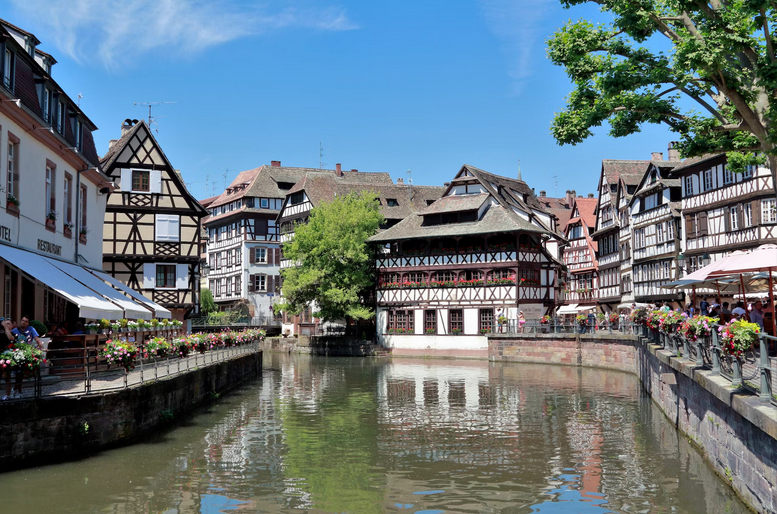
Using timber in building construction surely has its fair share of pros and cons. Quoted from Westdeutsche Zeitung, timber house construction has gone far beyond traditional and even combated the biggest issue it has: lack of fire safety. Still, it’d be such a valuable time to learn about this issue and the other biggest challenges that homeowners may encounter when choosing this type of construction. So, let’s uncover these challenges one by one.
Fire-Safety Issues
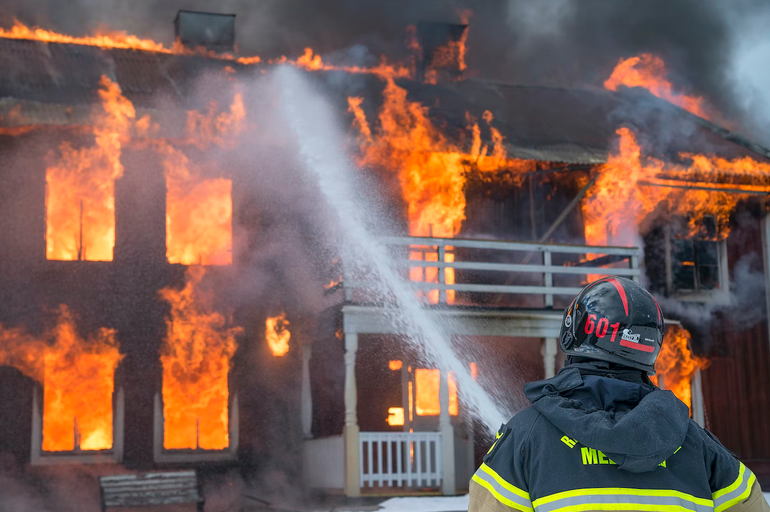
Wood, being a combustible material, can pose higher risks compared to other building materials like concrete or steel. While modern timber construction techniques have improved fire resistance, it’s important not to overlook the potential hazards. The main challenge lies in the flammability of exposed wood surfaces. Without proper protective measures such as flame-retardant treatments or fire-resistant coatings, these surfaces can easily catch fire and spread flames rapidly throughout the structure. Additionally, electrical wiring within timber homes needs extra attention. Faulty wiring or overloaded circuits can increase the risk of electrical fires. It’s crucial to ensure that all electrical installations are up-to-date and meet safety standards.
Moisture and Rot
Moisture is one of the biggest challenges that timber houses face. It can seep deeply into the wood and cause rot, leading to structural damage and decay. This moisture can come from various sources, such as rain, humidity, or leaks in plumbing or roofing. When timber houses are not adequately protected against moisture, they become vulnerable to rot. Rot is a natural process where fungus begins to break down and damage the wood fibers, causing them to weaken and lose their integrity over time. This can result in expensive repairs and even compromise the safety of the structure. Preventive measures must be taken to protect timber houses from moisture and rot. Proper ventilation systems need to be installed to allow for airflow within the house and prevent condensation build-up.
Insect and Pest Infestation
These tiny invaders can wreak havoc on a home, causing damage to the structure itself as well as any wooden furniture or fixtures inside. Termites are perhaps the most notorious culprits when it comes to damaging timber houses. These silent destroyers can go undetected for years, slowly eating away at the wood from within. By the time their presence is discovered, significant structural damage may have already occurred. Other common pests that can infest timber houses include carpenter ants, wood-boring beetles, and powderpost beetles. These insects burrow into the wood, leaving behind tunnels and galleries that weaken its integrity over time.
Shrinkage and Warping
 Moving on to the last one, as a natural material, wood is prone to movement and changes in shape over time. One of the main causes of shrinkage in timber houses is moisture imbalance. When wood absorbs moisture from its surroundings, it expands. Conversely, when it loses moisture, it shrinks. This can lead to gaps between floorboards or walls that were once perfectly aligned. Warping is another issue frequently encountered with timber houses. It occurs when the different parts of a wooden structure—such as beams or panels—dry at different rates. This can result in boards that twist or bend out of shape, affecting both the appearance and functionality of the house.
The Bottom Line
Living in a timber house can certainly have its advantages – the natural beauty, the eco-friendly aspect, and the warm and inviting atmosphere. However, please be aware of the potential challenges that come with this type of construction and arm up with the right methods to combat these issues.…
 When it comes to emergency home repairs, the costs can add up like a flash and catch you off guard. Imagine waking up in the middle of the night to a burst pipe flooding your basement or a tree crashing through your roof during a storm. These types of unexpected emergencies require immediate attention, and without adequate insurance coverage, you may find yourself footing the bill for major repairs.