

Your entryway sets the tone for your entire home, and a farmhouse-style entry table is the perfect place to make guests feel instantly welcome. This small space is where cozy charm meets everyday function, blending rustic textures with personal touches. Whether your style leans classic farmhouse or modern rustic, decorating your entry table with intention can turn a simple surface into a warm hello that feels effortless and lived-in.
Start With a Solid Foundation
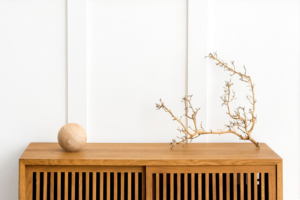 Choosing the right table is the first step toward a welcoming entry. Farmhouse-style tables often feature natural wood, distressed finishes, or chunky legs that feel sturdy and timeless. When thinking about farmhouse entryway table styling, the key is to let the table’s character shine while using decor to enhance it rather than overwhelm it. A simple wood console creates a neutral base that makes layering decor easier and keeps the look grounded and authentic.
Layer Height for Visual Interest
A well-styled entry table benefits from varying heights, which keeps the eye moving and makes the arrangement feel intentional. Taller items like lamps or framed artwork can anchor one side of the table, while medium-height objects balance the opposite end. This layering adds depth without making the table feel cluttered, giving your entryway a relaxed but thoughtfully curated look.
Add Something Green and Lively
Nothing warms up a space quite like greenery. A small potted plant, faux olive branch, or vase of seasonal stems brings life and softness to the table’s harder surfaces. Greenery also helps bridge the gap between rustic and refined, making your entryway feel fresh and inviting year-round. Even a single leafy element can make the entire setup feel more welcoming.
Mix Textures for That Cozy Farmhouse Feel
Farmhouse style thrives on texture, and your entry table is a great place to show it off. Combining materials like wood, ceramic, metal, and woven accents adds richness without needing bold colors. A ceramic vase next to a metal lantern or a woven basket tucked underneath the table creates that cozy, layered look farmhouse homes are known for, making the space feel warm and lived-in.
Personal Touches Make It Feel Like Home
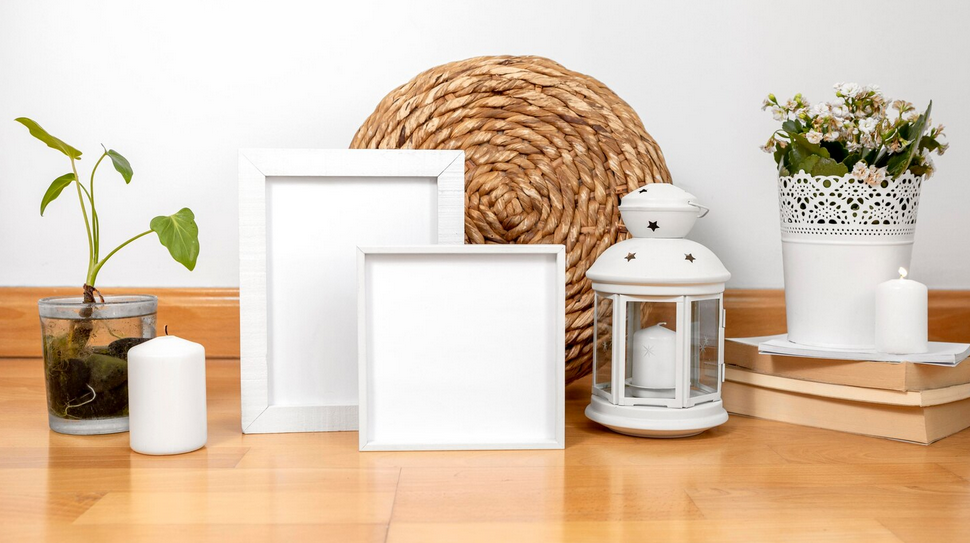
An entryway should reflect the people who live there, so adding personal details is essential. Family photos, a framed quote, or a meaningful object instantly make the space feel more intimate. These elements don’t need to be large or flashy; even subtle personal touches can transform your entry table from a styled surface into a reflection of your home’s story.
Keep Function in Mind
While style matters, an entry table should still work for everyday life. A small tray for keys, a bowl for loose change, or a basket for mail helps keep clutter under control. When function and decor work together, the space stays tidy and welcoming, making it easier to maintain that warm first impression day after day.
Decorating a farmhouse entry table is all about balance—mixing charm with function, texture with simplicity, and style with personality. By layering thoughtfully, adding natural elements, and including pieces that feel meaningful, you can create an entryway that feels warm, inviting, and effortlessly farmhouse. A well-decorated entry table doesn’t just welcome guests; it welcomes you home every single day.…


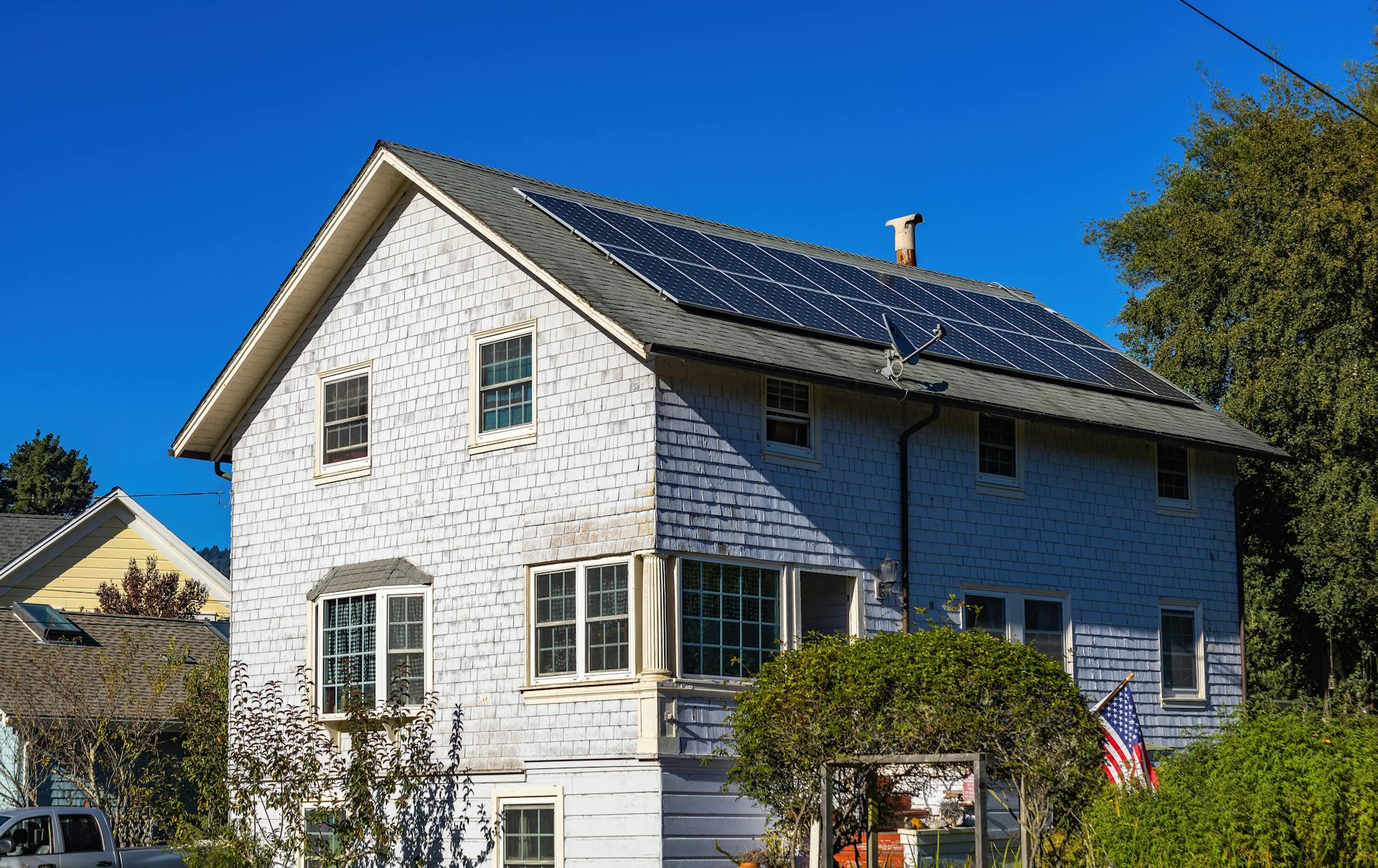
 The position of your home on its plot influences energy use more than many people realize. A south-facing orientation can maximize natural light and reduce heating costs in colder months. Shading systems or trees can keep interiors cool during hot summers. Thoughtful placement works like a built-in energy saver. Designing with the landscape in mind helps the home harmonize with its environment. Hills, trees, and even nearby buildings can influence temperature and light. Planning ahead saves headaches later, while also trimming energy bills.








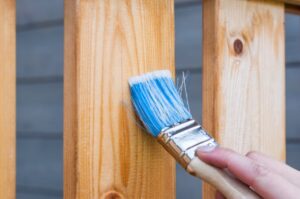 One of the simplest and most effective ways to transform your fence is by applying a fresh coat of paint or stain. This not only improves the appearance but also protects the wood from weathering. Choose a color that complements your home’s exterior and landscape. For a modern look, consider neutral tones like gray or white. If you prefer a natural look, a wood stain can enhance the grain and provide a rustic charm. Ensure you clean and prep the surface properly before painting or staining for the best results.

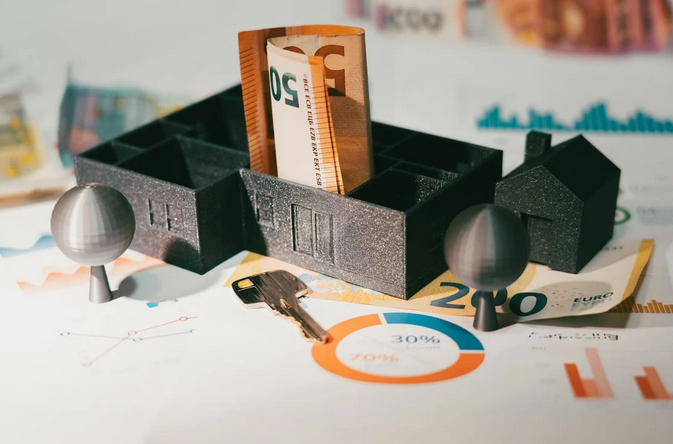








 Before engaging any service provider, carefully read and comprehend the terms and conditions outlined in their contract. This document acts as a legally binding agreement between you and the provider, so it’s crucial to know your rights and responsibilities. Pay attention to details such as payment schedules, warranty or guarantee information, project milestones, and any clauses related to potential disputes. If anything is unclear, seek clarification from the provider before signing the contract.

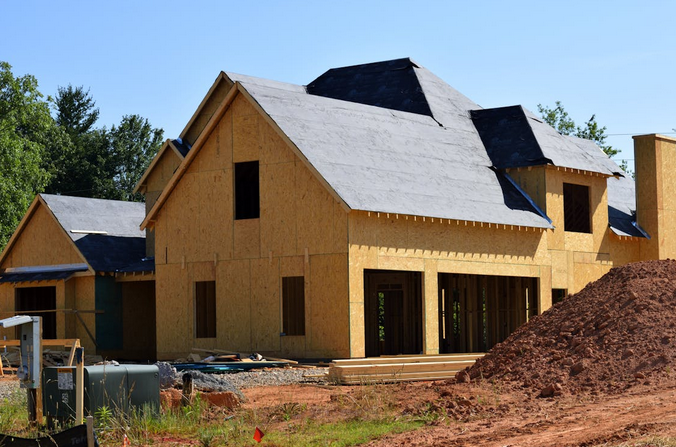
 Moving on to the last one, as a natural material, wood is prone to movement and changes in shape over time. One of the main causes of shrinkage in timber houses is moisture imbalance. When wood absorbs moisture from its surroundings, it expands. Conversely, when it loses moisture, it shrinks. This can lead to gaps between floorboards or walls that were once perfectly aligned. Warping is another issue frequently encountered with timber houses. It occurs when the different parts of a wooden structure—such as beams or panels—dry at different rates. This can result in boards that twist or bend out of shape, affecting both the appearance and functionality of the house.
 When it comes to emergency home repairs, the costs can add up like a flash and catch you off guard. Imagine waking up in the middle of the night to a burst pipe flooding your basement or a tree crashing through your roof during a storm. These types of unexpected emergencies require immediate attention, and without adequate insurance coverage, you may find yourself footing the bill for major repairs.


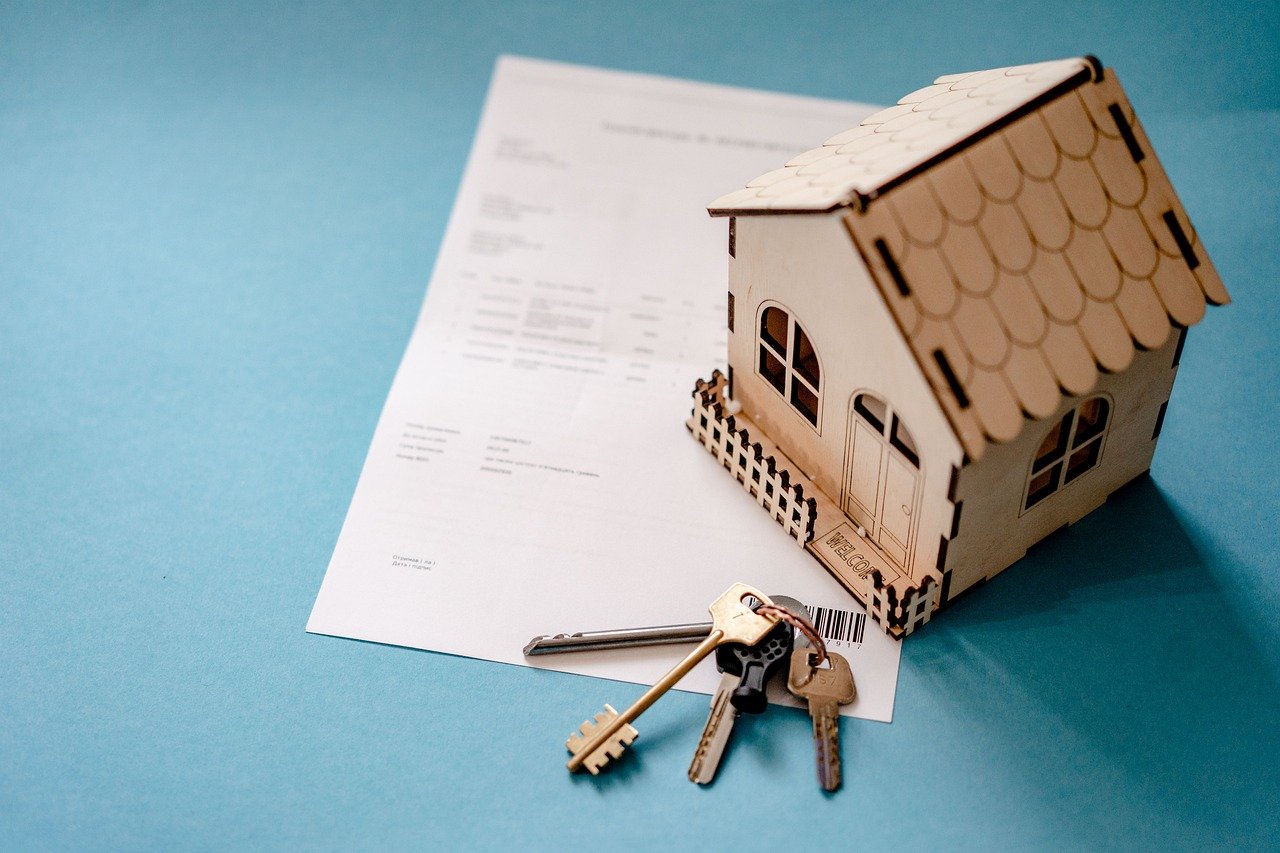
 Before you begin the refinancing process, you must know your home equity. Home-equity is that difference between the amount you still owe on your mortgage loan and your home’s value. You can calculate your home equity by subtracting the balance of your mortgage loan from your home’s appraised value. If you have a lot of equity in your home, you may be able to get a lower interest rate on your new mortgage loan.
 Another vital thing to keep in mind is the cost of refinancing. You will have to pay closing costs when you refinance your mortgage loan. These costs include appraisal fees, title insurance, and origination fees. You may also have to pay for private mortgage insurance if you have less than 20% equity in your home. The cost of refinancing can vary depending on the lender you choose and the type of loan you get. Be sure to compare offers from multiple lenders to find the best deal.
 Your credit score is a critical factor that lenders consider when you apply to refinance your loan. Your credit score is a measure of your creditworthiness, used to decide whether or not you can get a loan and what interest rate you will pay. If you have a high credit score, you’re more likely to be approved for a loan, and you may qualify for a lower interest rate. If you have a low credit score, you may still be able to get a loan, but you may have to pay a higher interest rate.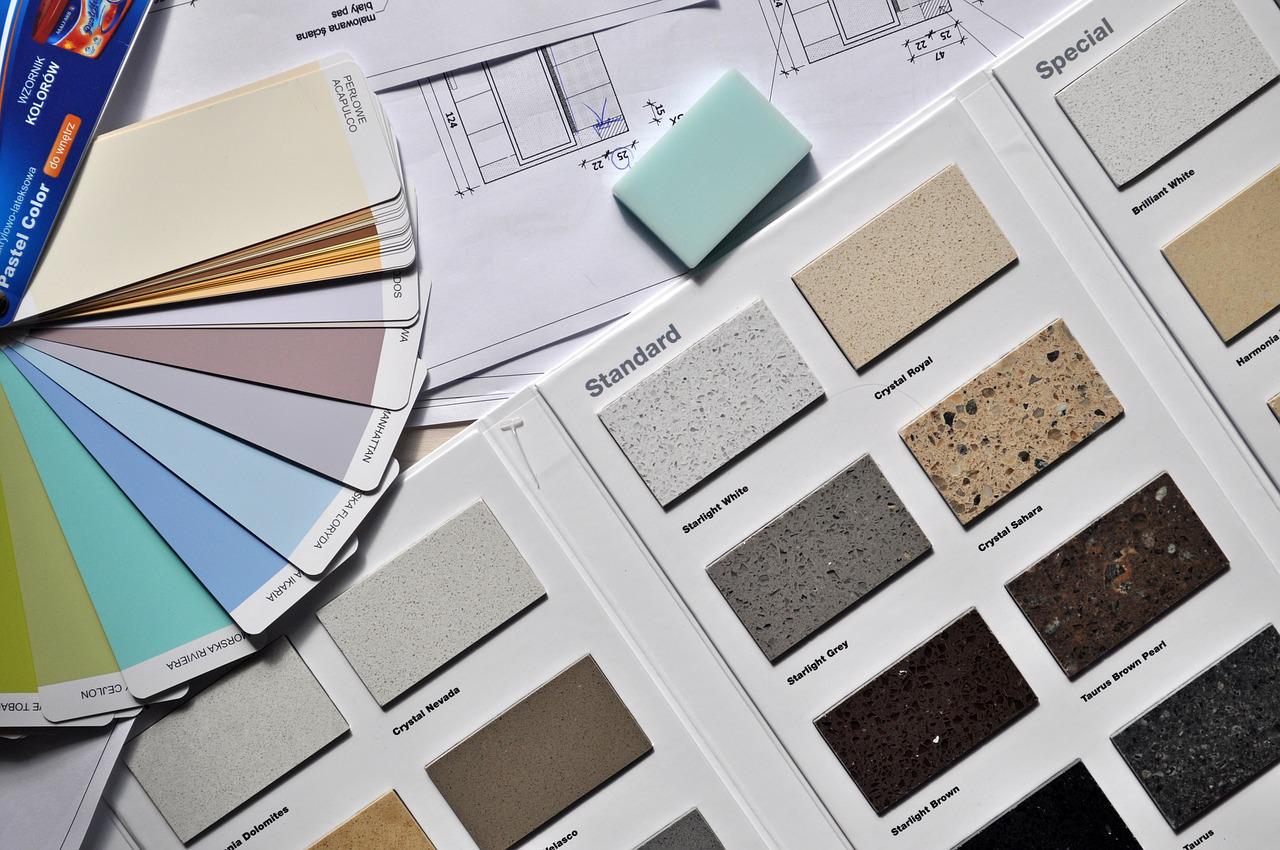
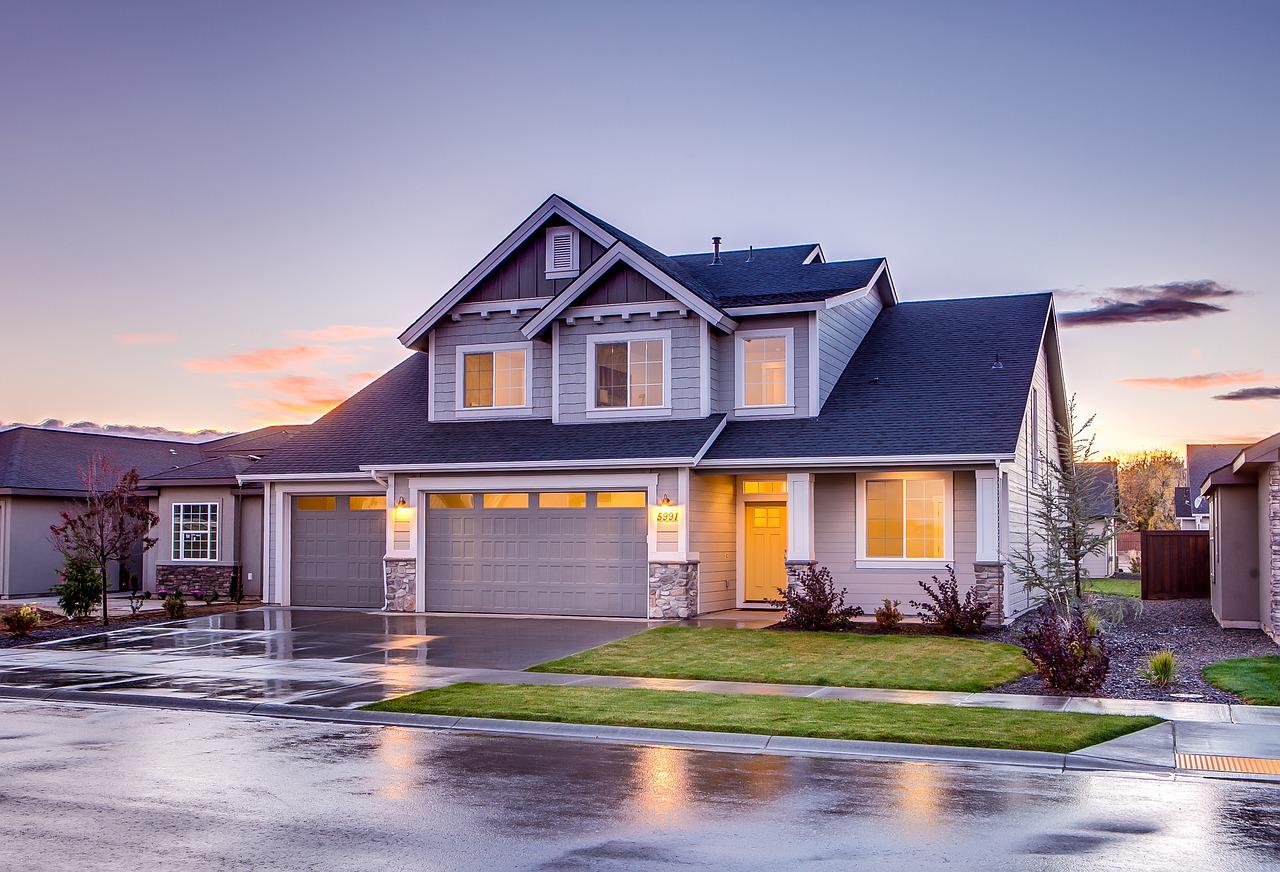
 When you got trees, shrubs, and flowers around your home, it makes it more appealing to would-be buyers. It gives off an aura of a comfortable and happy home. Furthermore, it can also help cool during summertime and provide insulation during wintertime. Potential homebuyers will take all of these benefits into consideration, which means a higher chance of selling at a higher price. Remember to keep them trimmed because
  Lastly, installing solar panels is a great way to increase the value of your home. Solar panels are becoming increasingly popular as they offer a more sustainable and environmentally-friendly option. Not only will you be saving money on your energy bills, but you’ll also be adding value to your home. These are just a few of the many ways you can increase the value of your home. Just remember to take your time and consult with experts before making any significant changes.
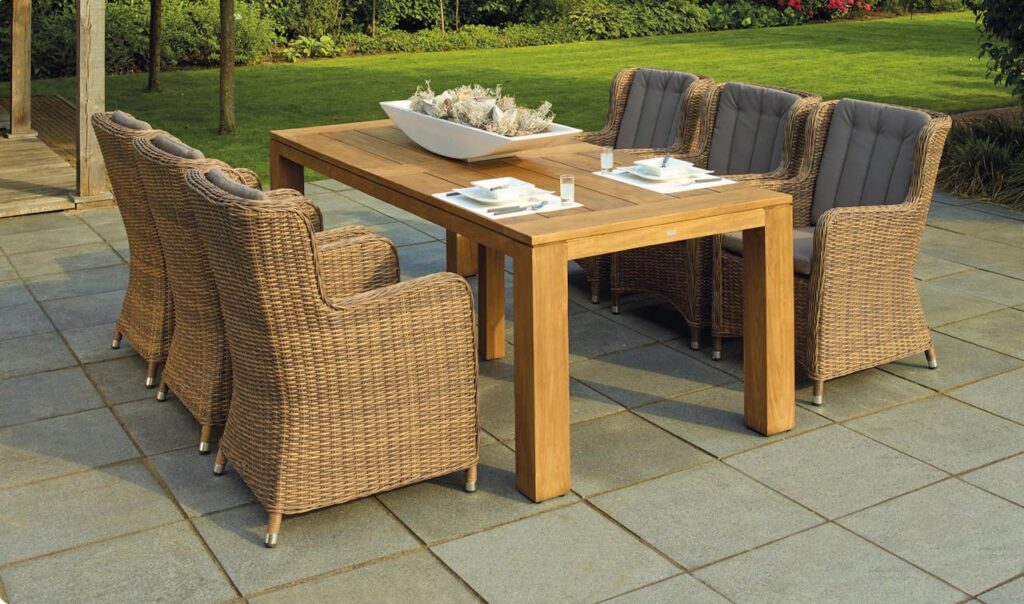
 One of the best ways to make the most out of your outdoor space is to eliminate any clutter taking up space. It could include things like old garden tools, unused furniture, or anything else that you don’t need. Getting rid of this clutter will give you more space to work with and make your yard more enjoyable. If you have any items taking up space but don’t want to get rid of them, consider storing them in a shed or garage. It will free up some space in your yard while still allowing you to keep the items you want.
 Another great way to make your outdoor space more enjoyable is to add some lighting. It can help you extend your time outside in the evenings and make your yard more visually appealing. There are various types of lighting you can use, so be sure to do some research to find what will work best for your space. By following these tips, you can make the most out of your outdoor space. With a little bit of effort, you can turn your yard into a place you love spending time.…
 The first step in choosing a mattress is to test it out in the store. This will allow you to see how comfortable it is and whether it provides the support you need. Lie down on the mattress for at least five minutes, preferably longer. Pay attention to how your body feels when you’re lying on the mattress. It is important that you feel comfortable when you’re lying on your back, side, and stomach. If you have any pain or discomfort, the mattress is not right for you.
 If you’re still having trouble choosing a mattress, ask for your friend’s or family recommendations. They may have had experience with a particular type of mattress that they can share with you. This will make it easier for you to make a decision because you’ll have first-hand information about the mattress. In addition, your doctor or physiotherapist may be able to recommend a mattress that will provide the support you need. This is only needed when you have a medical condition.
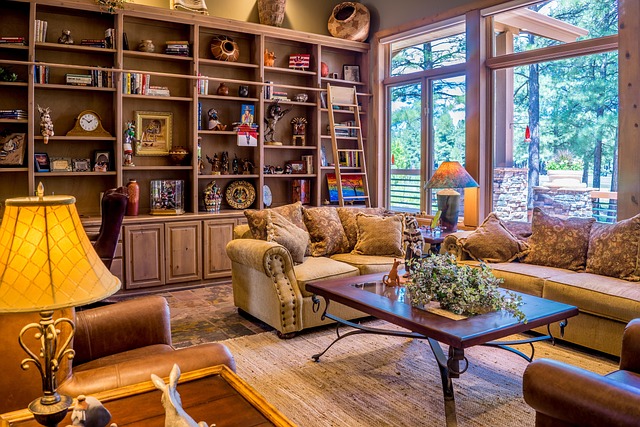
 Maximalism is an art movement that emerged in the late 1960s, originating from both Pop Art and Minimalism. It’s characterized by lots of colour, contrast, patterning, layering and ornamentation. Maximalists like to take things over-the-top with their decorating choices – this means incorporating big, bold pieces and lots of colours. Maximalism is all about creating a space with lots of colour, pattern, and texture for interior design.
 So, are there any tips we can get to incorporate this style into our home? Yes, there are. First off, you can start with one room. Trying to do too much at once can be overwhelming, so start small by incorporating maximalism into just one room of your home. It will give you a chance to experiment and see what works for you. Next, you can be creative with colours.